
Europe is home to no shortage of incredible foodie destinations. From handmade pasta in Italy to sizzling gyros in Greece, there are unforgettable flavours to be found across the continent.
For something a little less obvious, however, the Canary Islands deserve a place firmly on your radar. These volcanic Atlantic islands combine fresh seafood, bold smoky flavours and deeply rooted culinary traditions, creating a food scene that feels both authentic and exciting to explore.
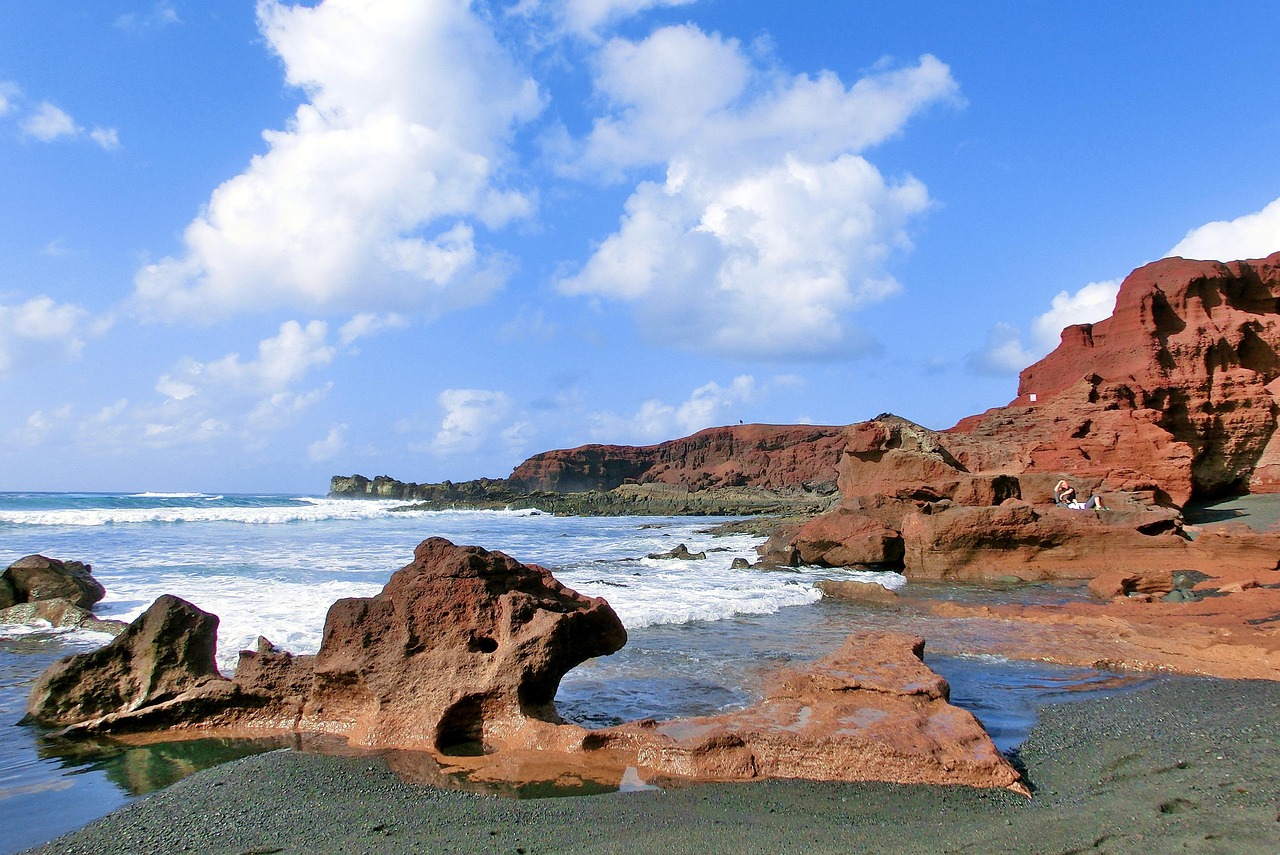
Why Lanzarote leads the Canary Islands for food tourism
Lanzarote has long been a favourite among holidaymakers, but in recent years the island has gained growing recognition for its food scene – particularly its focus on sustainability.
Initiatives like Lanzarote Sustainable Gastronomy make it easier for both visitors and locals to identify restaurants committed to environmentally conscious practices. As interest in sustainable travel continues to grow, this has helped position the island as one of the Canaries’ most exciting culinary destinations.
There has also been a noticeable shift towards locally sourced dining experiences, giving visitors the opportunity to discover the island through its produce. For many travellers, building a Lanzarote holiday around unique experiences becomes just as important as the sunshine itself.
Volcanic wines and vineyard culture in La Geria
One of Lanzarote’s most fascinating foodie experiences can be found in La Geria, the island’s protected volcanic wine region. Here, vines are grown in black volcanic ash pits, each sheltered by semi-circular stone walls to protect them from the wind – creating a landscape unlike anywhere else in the world.
A wine tasting tour is one of the best ways to experience the region, allowing visitors to sample crisp volcanic whites while learning about traditional winemaking methods that have been passed down through generations. Wine tourism has become one of Lanzarote’s biggest draws for food lovers, particularly those interested in sustainability and distinctive local flavours.
Tenerife: the Michelin heavyweight of the Atlantic
As the Canary Islands’ foodie reputation has grown, so too have the accolades. Today, there are 15 Michelin-starred restaurants across the islands, with many of them found in Tenerife.
Restaurants such as Donaire, San-Hô and Taste 1973 place Canarian ingredients and culinary traditions at the centre of their menus, even when incorporating more contemporary or fusion influences. There is a clear connection to local fishing and farming communities, with many chefs drawing inspiration from traditional island recipes while elevating them in new and creative ways.
However, while the island is home to its fair share of popular tourist hotspots, there is far more to Tenerife than the well-trodden resort trail. Venture beyond the busy coastal areas and you’ll find lesser-known restaurants serving exceptional local food, from tucked-away seafood spots to family-run guachinches pouring house wine alongside traditional dishes. Likewise, quieter villages, scenic hiking routes and local markets offer a more authentic side to the island for those willing to explore a little further.
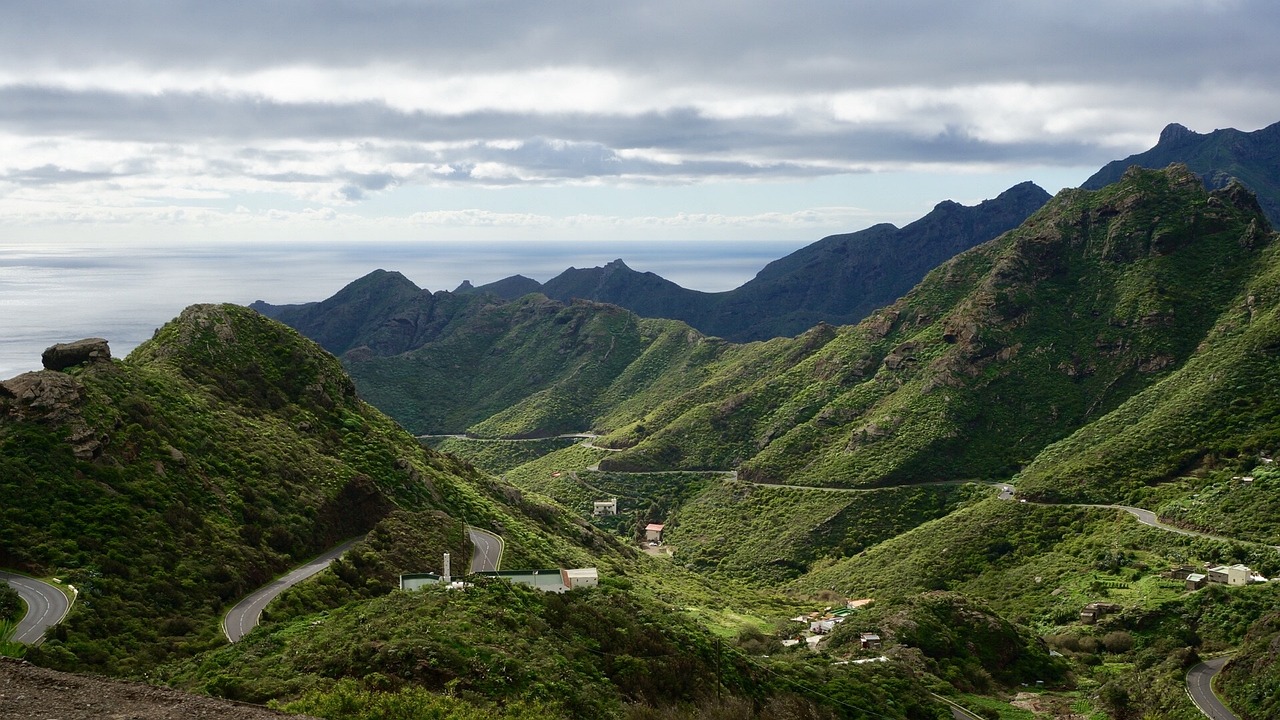
The rise of modern Canarian cuisine
One of the joys of visiting the Canary Islands is discovering the everyday food culture beyond the fine dining scene. While Michelin-starred restaurants are undoubtedly worth experiencing, some of the most memorable meals are often found in far simpler surroundings.
Guachinches – traditional rustic eateries – serve hearty, no-frills dishes, often based on family recipes passed down through generations. Dining in one offers a genuine glimpse into Canarian life, where local wine is poured generously and recipes remain deeply rooted in tradition. While the islands’ fine dining scene continues to gain international recognition, it is often these simple, welcoming spots that leave the biggest impression – proving that some of the best food experiences are also the most authentic.
Have you visited Lanzarote or Tenerife for the food? Or is there another foodie destination in the Canary Islands you’d recommend? Let me know in the comments below.