
This is a collaborative post.
Sustainable eating is a growing trend. People want to be able to enjoy their food while being kind to the planet. While you can’t really buy food without affecting the environment in some way,there are plenty of ways to make your food consumption more ethical and sustainable.
The right choices can help you to reduce your carbon footprint and ensure you have minimal impact on the planet. And eating sustainably doesn’t have to be boring, either; you can still enjoy a huge range of foods, go to restaurants and explore new cuisines.
Read on to discover some of the ways you can change up your eating habits if you want to make your diet a little friendlier to the world around you.

Eat more plant-based foods
You’ve probably heard by now that the production of meat isn’t all that great for the environment. It requires a lot of space and results in a lot of carbon emissions. If you want to reduce the impact the meat industry has on the environment, you could become a vegetarian or vegan.
However, that’s not the only option if you want to have a more sustainable diet when it comes to meat. Cutting back on how much meat you eat is useful, too. Only having meat once or twice a week is a good way to not only make your diet more sustainable, but to make it a whole lot healthier too.
Reduce food waste
Food waste is a big problem. We throw away a lot of food that doesn’t get eaten. Even if you compost some of your food waste, it’s still food that isn’t being eaten. If you want to reduce your food waste, there are several methods you can use.
Firstly, plan your food shops carefully. Check what’s in your fridge and cupboards so you don’t buy duplicates of anything you already have. Plan your meals so you know what to buy and you can use up any leftovers. Make good use of your freezer too; if you’re not going to eat something now, it can probably go in the freezer for a while.
Ditch the plastic
Plastic is, unfortunately, a feature of many food products, even when it doesn’t really seem all that necessary. Does a head of broccoli really need to be wrapped in plastic? Trying to avoid plastic as much as possible will make your food shops more sustainable. Instead of paying for plastic carrier bags, use tote bags like the ones at this link. Reusable bags can last a long time and they’re better for the environment.
Choosing the right shops is useful too. You can shop in places that offer paper bags for loose fruit and veg, or even wholesale or ‘zero waste’ stores that allow you to bring your own containers for loose products.
Eat local food
Local and seasonal food is the way to go if you want to eat a truly sustainable diet. It might be nice to have some exotic fruit in your diet sometimes, but buying food that is sourced locally and in season means that it hasn’t had to travel all that far. While supermarkets don’t always stock locally reared meat or poultry, it can often be easier to source when buying meat online from a reputable butcher.
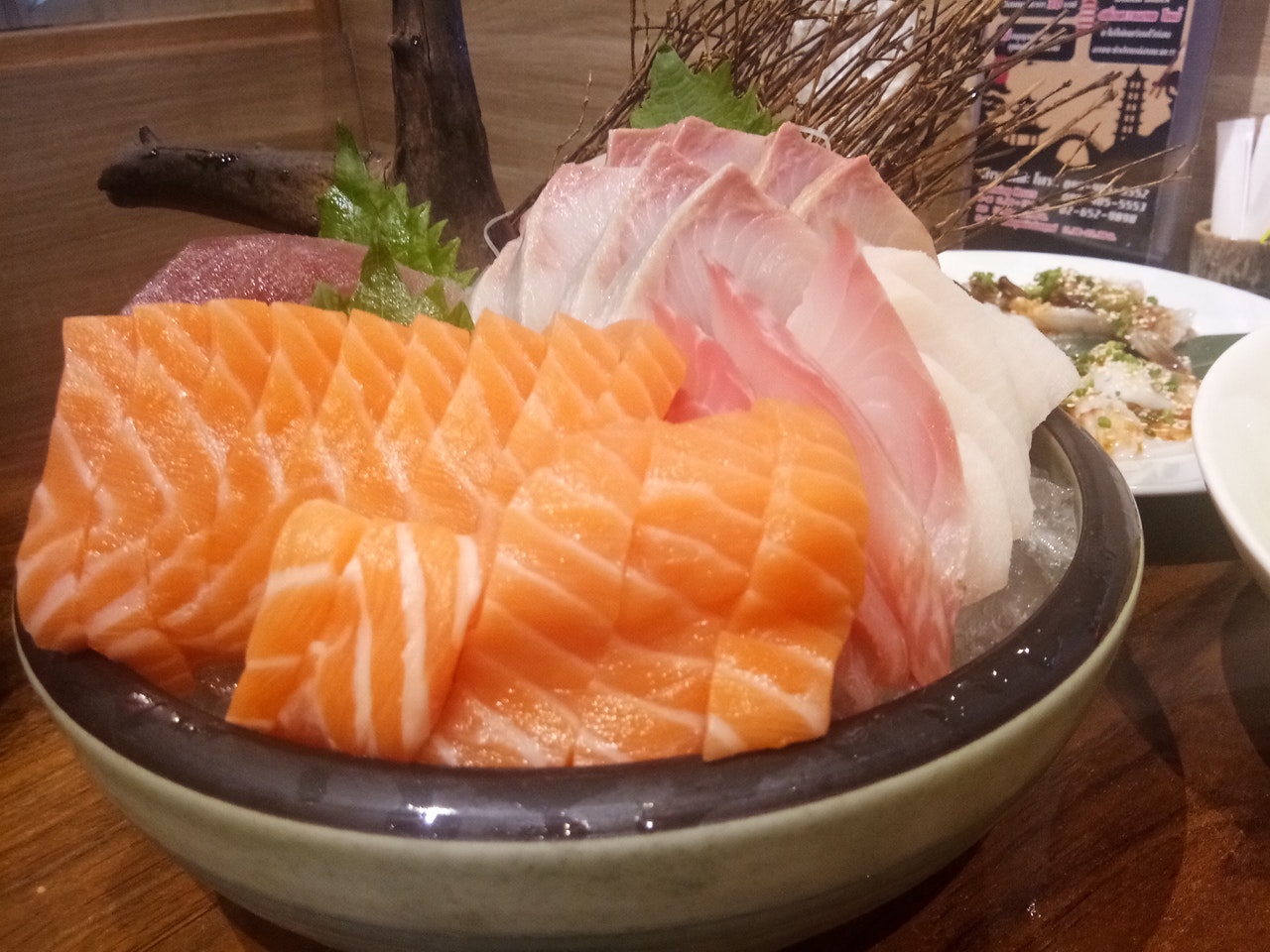
When you’re buying fruit, vegetables, meat and fish, check where they’ve been sourced from. When shopping for fresh fish and seafood, for example, you should look for the blue MSC ecolabel to ensure that you’re buying MSC certified sustainable fish. When you eat out, look for restaurants that emphasise the use of local produce, so you can be sure they make the most of what the local area has to offer. If you’re craving a chippy supper, you can also look for a sustainable fish and chip shop, too
Check certified standards are met
When you’re shopping for food, consider looking for products that meet certain standards. For example, if you buy products with palm oil, make sure the palm oil is RSPO certified to ensure it’s sustainable.
Buy Fair Trade chocolate and coffee and check your seafood for Marine Stewardship Council certification. When your food passes certain national and international standards, you can be certain that it’s more sustainable and better for the planet.
Grow your own
Not everyone has space to grow their own food, but it’s a great thing to do if you want to eat more sustainably. You don’t need to have a full garden or even an allotment to try growing your own food. A window ledge is plenty of space in which to experiment with growing something.
You could try your hand at tomatoes, chillies or growing fresh herbs. If you have a bit more space, there are plenty of other things that you could try growing too. Plant some potatoes, courgettes or some beans, keep them well-watered and watch them grow.
What you choose to eat has a definite impact on the environment, but making the right food choices can help you to lead a sustainable lifestyle that is not just kinder for the planet, but kinder to your body too.
What are your top tips for eating a sustainable diet? Can you think any I haven’t mentioned? Leave a comment below to let me know.
This is a collaborative post.