
I was invited to Sabah as a guest of Sabah Tourism and Royal Brunei Airlines with support from Borneo Eco Tours and my food and drink, accommodation and transport were provided on a complimentary basis in exchange for honest coverage of my experience.
Meet the Borneo Big Five: five iconic animal species to see on the Kinabatangan River and beyond in Sabah, Malaysian Borneo. From red-haired Bornean orangutans to long-nosed proboscis monkeys, these five magnificent animals are native to Borneo and cannot be found anywhere else in the world.
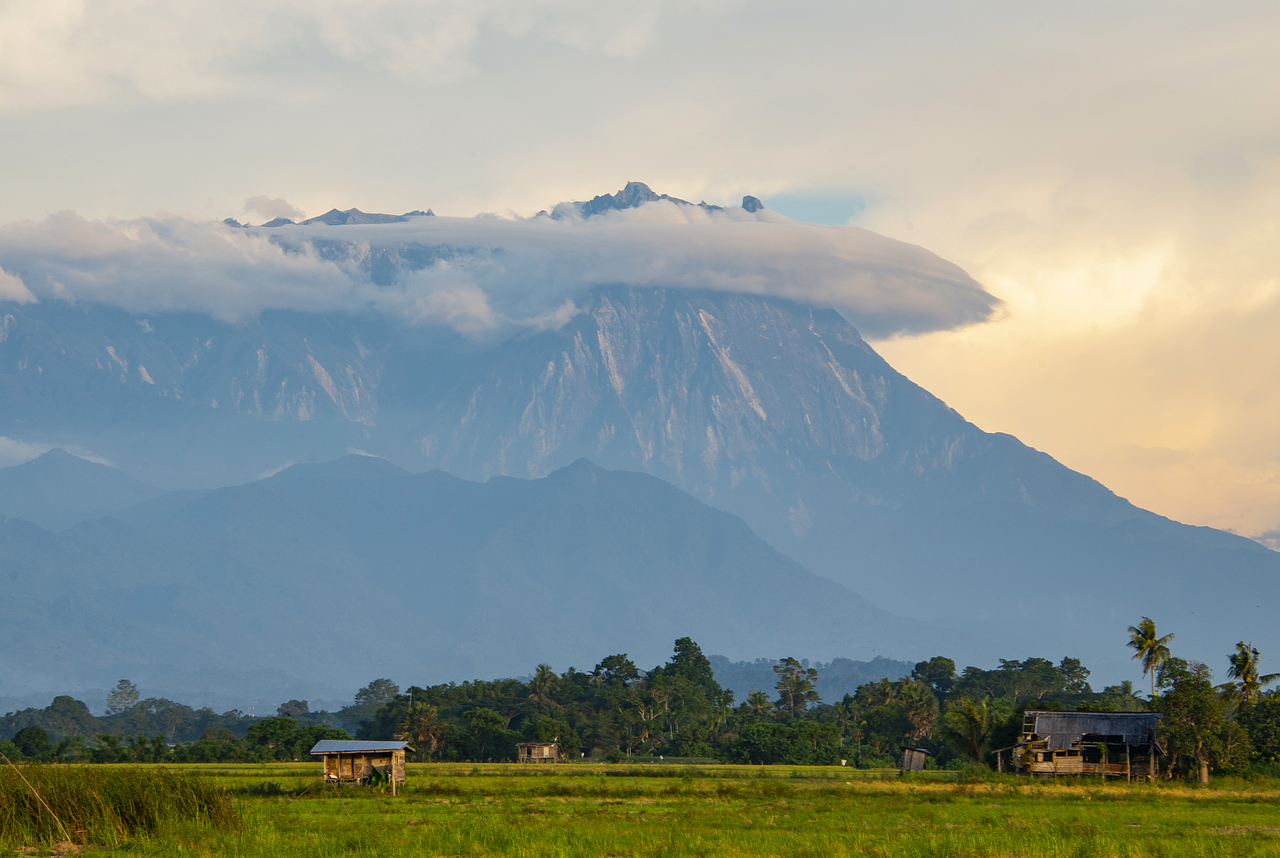
The third-largest island in the world, Borneo comprises of not one, not two, but three different countries. Indonesian Kalimantan occupies the majority of the island, with the Malaysian states of Sabah and Sarawak sitting to the north, and the tiny nation of Brunei perched on Borneo’s northern tip.
Home to some of the oldest rainforests in the world, Borneo is characterised by leafy canopies shading rushing rivers, wild waterfalls and a myriad of flora and fauna. The heart of the rainforest houses thousands of exotic animal species – many of which are endangered – including the likes of Bornean orangutans, Borneo pygmy elephants, long-tailed and pig-tailed macaques, maroon and silvered langurs (red leaf- and silver leaf-monkeys), Bornean gibbons, the Sun Bear (the smallest bear in the world), the clouded leopard, the flying fox bat and over 300 species of birds. That’s before we even get started on the 15,000 different flowering plants and 3,000 species of trees that can be found here.
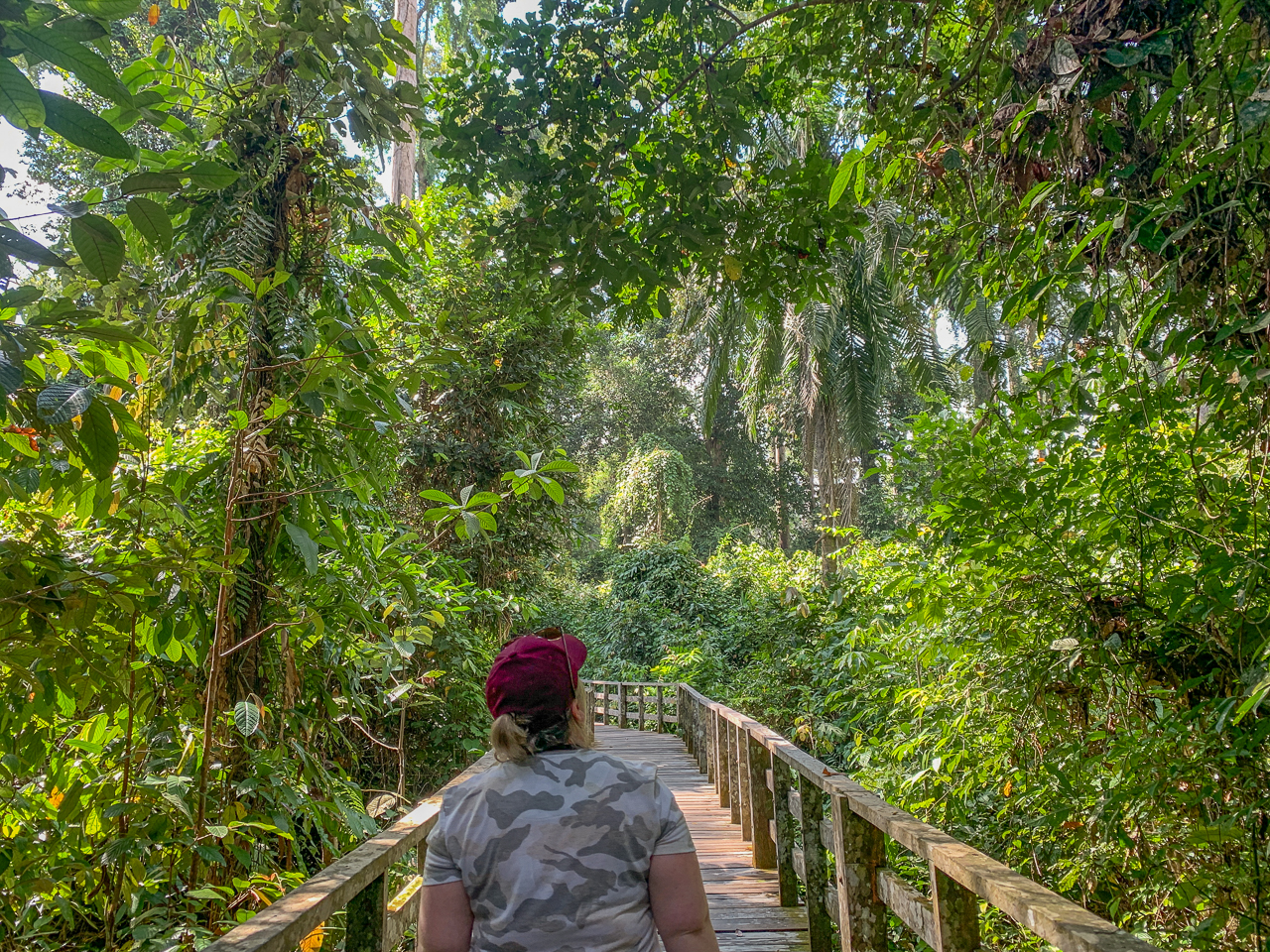
Borneo is home to one of the most vibrant and varied animal and plant kingdoms in the world, so it’s no surprise that it often features on travel bucket lists as one of the top dream places to visit once in your lifetime.
Back in March 2020 – as the impending lockdown loomed over our heads – I was extremely lucky to have the opportunity to catch a glimpse into this awe-inspiring natural world when I was invited to visit Sabah in Malaysian Borneo by Sabah Tourism and Royal Brunei Airlines, with Sukau Rainforest Lodge providing the perfect base for my stay.
Sukau Rainforest Lodge: the Perfect Base for Exploring the Kinabatangan River
Huddled on the banks of the Kinabatangan River in Sukau, Sabah, a stay at Sukau Rainforest Lodge is one you’ll remember for the rest of your life. The infamous natural historian, Sir David Attenborough stayed here with his crew while filming a BBC documentary on Sukau in 2011, which should give you some idea of just how breathtakingly awe-inspiring this place is. From the resident orangutans that roam freely throughout the resort, to the lush green rainforest surrounding the lodge and its proximity to the fascinating flora and fauna inhibiting the Kinabatangan River and beyond, there really is no better base from which to explore Sukau’s wildlife offering.
The coastal mangroves and dense forests found in the Lower Kinabatangan floodplain play host to proboscis monkeys, long-tailed macaques, eight different species of hornbill, sea eagles and Asian water monitor lizards, to highlight just a few of the animals you can expect to see here.

However, what lays inside Sukau Rainforest Lodge is more than worth talking about in itself. From the guest rooms and facilities, to the doting staff and, of course, the mouthwatering Malaysian food (including this drool-worthy beef rendang recipe I adapted to feature on my blog recently), this place ticks all the boxes. Read more about Sukau Rainforest Lodge in an upcoming blog post.
Meet the Borneo Big 5: Five Iconic Animals to See on the Kinabatangan River and Beyond
While Sabah is home to hundreds of unusual (and, often, endangered) animal species, I’m focusing on the so-called ‘Borneo Big 5’ in this post. These are the five most iconic animal species that can only be found in Borneo; you won’t see these beautiful beings anywhere else in the world.
I had the opportunity to spot some of these animals for myself along with our wonderful guide, Rahman from Borneo Eco Tours, who run a variety of insightful and sustainable wildlife tours from Sukau Rainforest Lodge. Read on to discover more.

Bornean Orangutan
Perhaps the most famous of the Borneo Big 5, the Bornean orangutan (or orang utan, Malay for ‘man of the forest’) is one of three Critically Endangered species found in Borneo. Bornean orangutans have more than halved in population size over the past 60 years due to deforestation, poaching and the illegal pet trade, which often leads to young orangutans becoming orphans. Today, there are only believed to be around 104,700 Bornean orangutans remaining.

Every year, millions of tourists visit Borneo to see the red-haired orangutans. Besides their shaggy red fur, Bornean orangutans can also be identified by their long, strong arms and human-like hands and feet. They also have broader faces, shorter beards and darker coats than their Sumatran relatives. Looking at these spectacular animals, it’s not at all surprising to hear that they share over 96% of their DNA with humans.
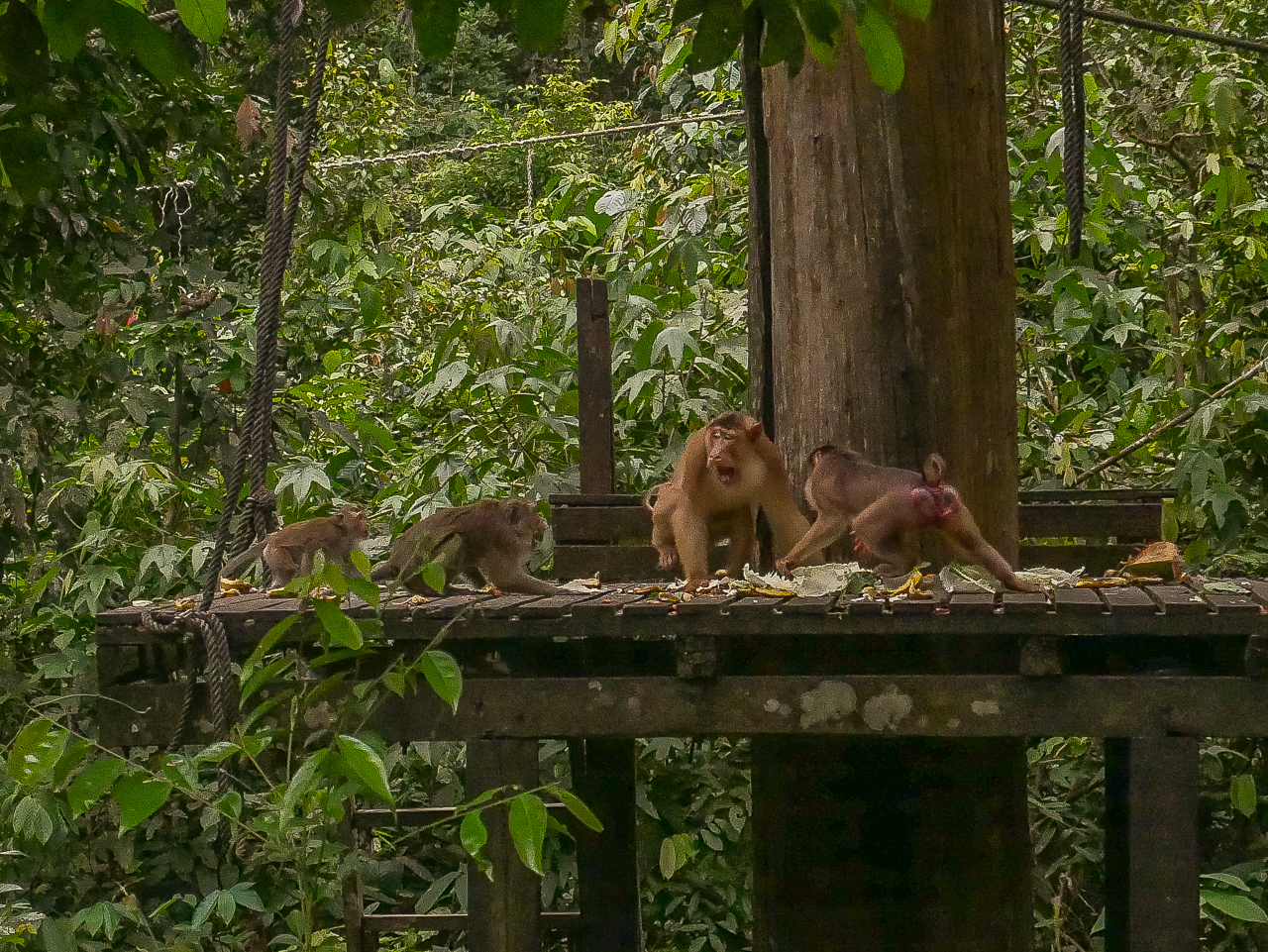
One of the most well-known conservation centres is Sepilok Orang Utan Rehabilitation Centre (S.O.R.C) in Sandakan. Founded in 1964, this highly respected conservation centre does a wonderful job of caring for orphaned, displaced and injured wild orangutans.
Borneo Pygmy Elephant
The Borneo pygmy elephant is the largest of all mammals found in Borneo, although they’re actually the smallest species of elephant in the world! Adult pygmies grow to around 2.5m in height; around one to two feet shorter than their relatives. Characterised by smaller faces and oversized ears, Borneo pygmy elephants have long tails which almost touch the ground, while their tusks are straighter than mainland Asian elephants.
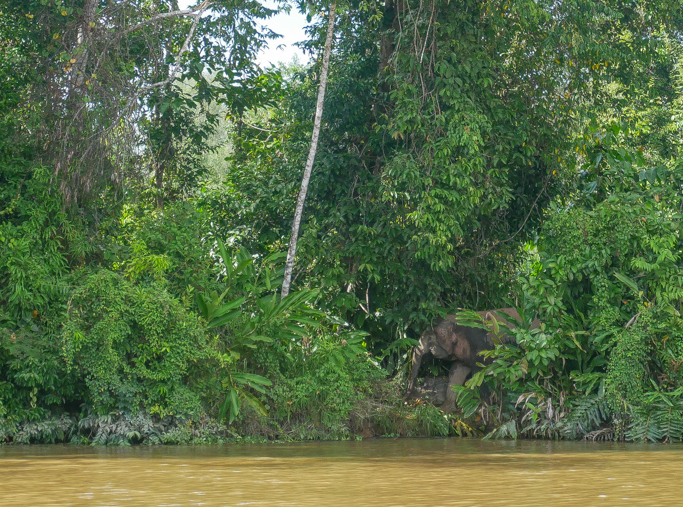
Sadly, however, this difference in appearance doesn’t make Borneo pygmy elephants any less prone to poaching than their cousins. Today, this remains one of the biggest known threats to their existence, alongside deforestation. With only 1,500 or so Borneo pygmy elephants remaining, this is one of the most significant of all endangered animals to see in Sabah.

You’ll usually hear a Borneo pygmy elephant long before you can see it, as their bellowing roars and sonorous trumpets can be heard for miles all around. Travelling in groups, pygmies are usually found in the rainforest. We were lucky enough to spot Borneo pygmy elephants on two occasions while sailing along the Kinabatangan River. Although we only managed to catch a glimpse of them peeking through the trees, we could most certainly hear them!
Proboscis Monkey
My favourite of all the Borneo Big Five endangered animals, the long-nosed proboscis monkey is one of the funniest-looking creatures I’ve ever seen in my life! Today, Sabah is thought to be home to 5,000 of these weird and wonderful beings.

With its long, pendulous nose, bulbous belly and dagger-like teeth, size really is everything when it comes to the male proboscis monkey. The alpha male uses its long nose to entice its surrounding harem of swooning females, whose noses are much smaller than their male counterparts. Proboscis monkeys also use their noses to protect them from danger. When the monkey is under threat, its blood rushes to its nose, causing it to swell and form a ‘chamber’ that enables it to emit the loudest sound possible.

If the proboscis monkey’s nose doesn’t sound strange to you, just take a look at its feet. While most monkeys have human-like hands and feet to enable them to grasp onto things, proboscis monkeys have webbed feet which enable them to swim away from crocodiles and other predators. Clever, eh?
Rhinoceros Hornbill
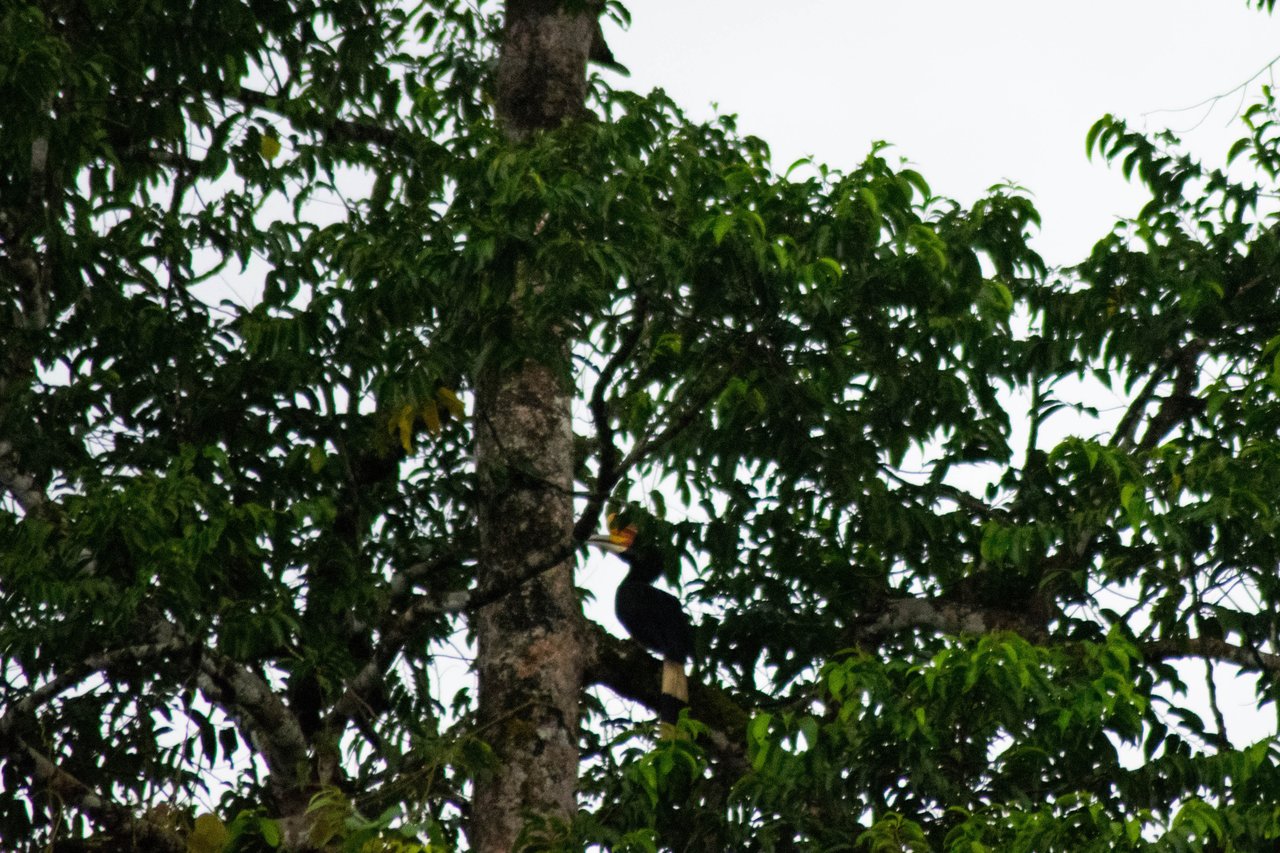
Sabah is home to eight different species of hornbill bird, including the Critically Endangered Helmeted Hornbill. I managed to spot several Oriental Pied Hornbills during my visit, although we weren’t quite lucky enough to see a Rhinoceros Hornbill.
The world’s largest hornbill, the Rhinoceros Hornbill grows almost to the size of a fully-grown swan. Often seen flying in pairs over the Kinabatangan River, this Near Threatened species can be identified by the bright red and yellow bill that sits just above its beak, topped by a golden yellow ‘casque’. Like the proboscis monkey’s nose, the Rhinoceros Hornbill’s hollow, horn-like casque serves to amplify its deep, bark-like calls throughout the rainforest.
Estuarian Crocodile
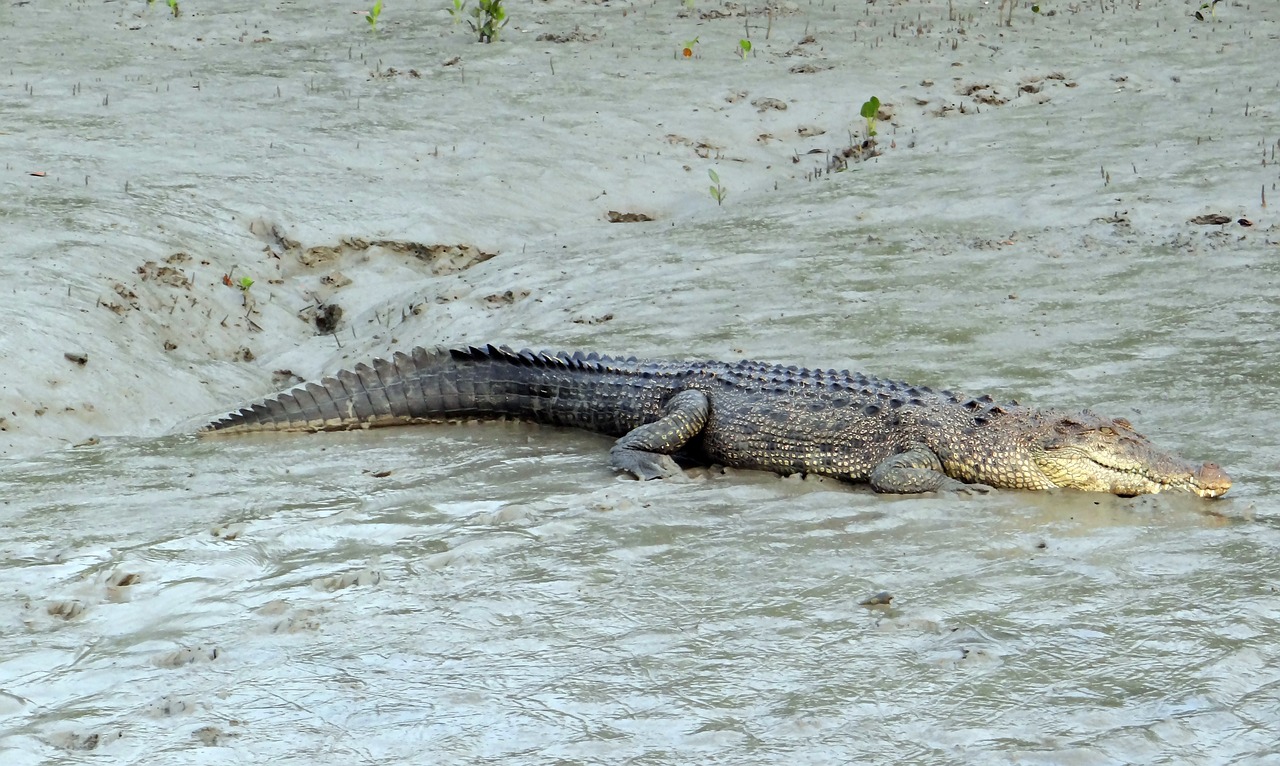
The largest crocodile in the world, the Estuarian Crocodile inhabits the murky waters of the Kinabatangan River, making Sukau Rainforest Lodge the ideal base from which to spot them.
From birth, these crocodiles possess a lethal range of hunting skills which enable them to fend for themselves by preying and feeding upon the likes of insects, crabs and prawns.
Estuarian Crocodiles are nocturnal, so you’re more likely to see them on a night cruise, but they have been known to hunt during the day if the opportunity arises. Keep an eye out for their beady-eyed, knobbly brown heads bobbing up and down on the surface of the water, or perhaps you might even catch one sunning itself on the river banks. Don’t get too close though; these crocodiles are among the most deadliest animals on earth!
Where can I see the Borneo Big 5?
You’ll have a chance to spot the Borneo Big Five as part of Borneo Eco Tour’s Borneo Big 5 tour package. This six-day tour package includes a series of once-in-a-lifetime wildlife tours centred around Sukau Rainforest Lodge, Borneo Rainforest Lodge and Gomantong Caves.
The Borneo Big 5 tour package is currently priced from RM 7,942 (approx. £1,400) per person based on twin rooms. This rate includes all tours and transfers, accommodation and meals as specified on the itinerary, in addition to an English-speaking guide, but it doesn’t include Tourism Tax (TTx) of RM10 per person per night or any activities, food or drink not mentioned on the itinerary.
To find out more about Borneo’s vibrant nature and wildlife offering, check out this short video and visit www.sabahtourism.com.
Have you ever been lucky enough to see the Borneo Big 5, or have you spotted any endangered animals anywhere else on your travels? Which animals did you see and where did you see them? Comment below to let me know. I love reading your comments and I take the time to respond to each one individually.
WAIT! Before you head off, pin this post so you can come back to it when you’re planning your trip to Sabah, or simply to add to your travel bucket list?




Hoping to get away soon? Make sure you check out these posts to help you get the most out of your stay:
- Responsible Tourism: 5 Tips for Ethical Travel
- How to Document Your Travels So You’ll Never Forget Them
- 5 Things Travellers Should Know That Are Often Overlooked
I was invited to Sabah as a guest of Sabah Tourism and Royal Brunei Airlines with support from Borneo Eco Tours and my food and drink, accommodation and transport were provided on a complimentary basis in exchange for honest coverage of my experience.
Lovely post Kacie and a wonderful reminder of all the fabulous wildlife we were lucky enough to spot on our trip. The diversity of creatures in Borneo is absolutely incredible. I’ve love to go back some day.
Thanks Suzanne. It was such a wonderful trip, we were so lucky to experience it all indeed. I want to go back too!
You saw so many wonderful animals. It’s sad so many are endangered
We did indeed. I am so lucky to have had the experience. It is sad so many of these animals are in such low numbers; I wish more could be done.
What beautiful photos and a lovely post to read. What a wonderful experience you have had. Shame about all the endangered animals though. Its a shame more cannot be done to help.
It really is. Heart-breaking to see them for yourself, admiring their beauty and intelligence, yet knowing they are in such dwindling numbers now.
nature is amazing
It really is. Nature never ceases to amaze me!
Oh you are so lucky,if you had wanted me to carry your passport, I would have come with you. I love it all, MY fav is the Orangutans I think they are so like humans, and think the mother really cares for her baby. I remember how clever they are when theygot out of their cage and went upon the roof, staff were panicking, but there was nothing up there for them and they came back down. Its always been the dream for me, but my mobility is not so good now. I watched on the TV were there was a place for the orangutans and staff looked after them outside, and they got there lunch outside, and then at the end of the day, they went back to the cages, there was a nursery for the very small orphans, some only months old. The staff were fantastic with them. So yes, I bet it was all just amazing.
I am indeed Audrie – I had to pinch myself to check I wasn’t dreaming! I’m a very lucky girl indeed.
A wonderful experience. Tourism can provide a boost to conservation efforts which is excellent but there are plenty of birds and animals in the UK and Europe that need support, too. Hoping that they will be ok, too.
I can imagine. It was fascinating to see the variety of nature and wildlife Borneo has to offer, though – and I’ve only just scratched the surface!
Wow sounds like an amazing trip you had!! It’s a shame poachers don’t realise, or should I say ignore, that these beautiful creatures could become extinct. We adopted an elephant at an elephant orphanage in Sri Lanka, and were fortunate to be able to help look after her for a day when we went over. They are amazing creatures!
Thanks Denise – you could say that. It is a real shame. How lovely to have adopted your own elephant! 🙂
Thanks, I would love to go back and do it again! Love to read about your adventures!
Thanks Denise. I’d love to go back <3
Oh my! What memories this brings back, It was great to share this fabulous experience with you. Lovely post.
Thanks Kat. It was so lovely to share this experience with you too. Glad you enjoyed the read! 😀
What a fascinating blog and so sad that there are so many endangered species
Thank you Priscilla, glad you enjoyed the read 🙂
very interesting, makes me more aware when reading about the animals
Me too. It was sad to hear how few of some of these animals now remain.
Beautiful Animals ,savour those memories as so many are disappearing which is heartbreaking x
I know what you mean Alice; I’m so lucky to have had this experience <3
So sad 🙁
I know 🙁 Wish I could do so much more to help!
Magnificent creatures. Thank you for sharing . Maybe one day I will get to see some of them.
Fingers crossed for you Susan; it’s a wonderful experience to have.
Wow what an experience! Such a thought provoking piece and have to admit that I have fallen in love with the pygmy elephants.
They’re just so lovable, aren’t they?!
How lovely
Thanks Janine 🙂
What wonderful sights to be able to experience!
Thanks Heidi. It was amazing – you’d have loved it, I’m sure.
Although I didn’t get over to Sabah I spent a lot of time in Sarawak in Borneo last year and all the places I’ve been to around the world Borneo was just that much more special, and I don’t think Ive ever been more in awe than I was when standing just a few feet away from Orangutans. It’s just such a shame what we as humans are doing to their homes, with all the deforestation for palm oil. I’d like to go back sometime and head over to Sabah.
Thank you for commenting Amit, it’s great to hear from you 🙂
I loved the few days I spent in Sabah and I am itching to get back to that part of the world once it’s safe for us to do so. I’d love to explore Sarawak, as we didn’t get chance to go there sadly.
Fabulous post. I would love to do that tour. How wonderful to see those animals in the wild.
It was an incredible experience!
I am so terrified that my children will grow up in a world where they can only look at these animals in history books because they are extinct
Oh gosh, it’s a horrible thought, isn’t it? I feel incredibly lucky to have seen this animals myself in person.
Thank you so much for sharing! I loved reading this, it felt like i was on this amazing experience with these beautiful animals
Great to hear it Natalie 🙂 Thanks for leaving a comment.
What an experience to be able to see these amazing creatures. I would love to visit one day. Beautiful photos too, they really capture the essence of the area.
It was incredible – a real ‘pinch-me’ moment! I would love to go back. We had a wonderful time but we really only just about scratched the surface of what Sabah – and the rest of Borneo – has to offer!
This is literally my dream trip – I’ve wanted to see Orangutans in Borneo for years and years. I will get there eventually and bookmarking this guide for when that day finally comes….
Aww, I hope you’ll get to go someday Keri! It was an incredible experience. Thanks for checking out my post 🙂
I love reading about your amazing adventures!
Aww thank you Denise, that is lovely to hear.
The Pygmy Elephants in Borneo NEED to be protected. They are a separate unique species with different DNA. Borneo is the only place on Earth these phenomenal specimens can be found, we cannot be cavalier with their existence.
Totally, there are so few of them left – it’s worrying.
Absolutely wonderful to read about all of these fascinating animals and how shocking it is, that some of humankind should have such little respect for them as to make them endangered.
It was amazing to see them, yet sad that I felt almost ‘lucky’ to see them as I know how few there are left now. It is really sad that some humans still don’t respect animals.
I don’t blame you!! I’d go too, if I had the chance!! xx
I would absolutely love to go back.
What an amazing place! I’ve never been anywhere around Borneo but would love to explore the area. Particularly for the wildlife. It must have been incredible to get to see so much from pretty close up.
It was my first time but I would really like to go back and spend more time exploring the area. The wildlife was incredible! The urban side of Sabah is well worth checking out too. I’d like to see more of Kota Kinabalu and Sandakan.
Really interesting but sad article
Very moving isn’t it? <3
I am in love with the Pygmy Elephants. Will do some more reading. Thanks for the excellent post.
They are beautiful. I hope you get to visit Borneo and see them at some point.
How lucky to be able to take this trip to Borneo ?? I wish there was more we could do to help these endangered animals.
There certainly were a few ‘pinch-me’ moments! I know what you mean Leanne, me too!
I have read this post several times and focus on something different each time. Very beautiful and very moving. Thank you for highlighting by sharing.
Thanks Susan, glad you enjoyed the read! 🙂
What a fantastic experience and what super pictures. I would love to see some of these animals in the wild.
It is an incredible experience to have, if you ever get the opportunity.
I’ve never heard of a pygmy elephant. Makes me wonder how many other amazing animals I’ve yet to discover
It was a first for me too!
A wonderfully enlightening report with some amazing photos
Thanks Tina