
Travel can greatly enrich a food photography portfolio, providing diverse and unique opportunities to capture different cuisines and cultures. While studio photography offers controlled environments that allow photographers to perfect their lighting and composition, venturing to far-flung destinations in search of the perfect shot often makes for richer, more engaging, and more sensuous travel stories.
Photographing food in its natural setting and place of origin can not only showcase your versatility as a photographer, but also highlight the authentic experiences behind each dish—from street food in bustling markets, to gourmet meals in upscale or sought-after restaurants.
Of course, it’s no walk in the park to shoot food on the go, particularly if your job involves jet-setting from country to country. As a food travel photographer, you must be prepared to invest in a quality camera and lenses from the likes of C.R Kennedy Photo Imaging alongside handling unpredictable lighting conditions, and varied climates. These sometimes unsavoury (pun intended) obstacles are sure to test your adaptability and creativity, pushing you to think on your feet and make the most of every situation. Once you understand these challenges and learn how to get around them, you’ll be well on your way to capturing mouthwatering images.
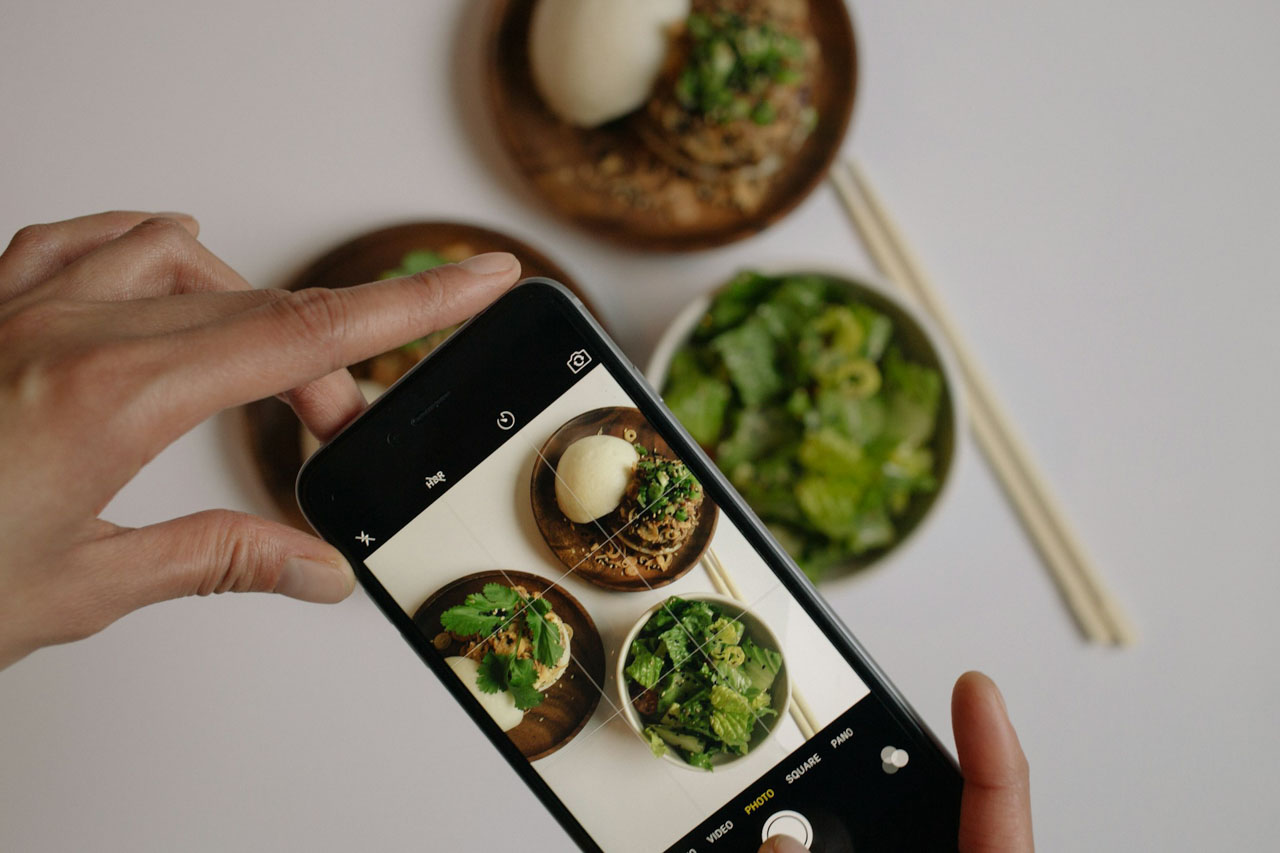
Whether you’re a seasoned photographer looking to diversify your portfolio or a novice aiming to improve your skills, hopefully these tips will enable you to enhance your food travel photography.
1) Diversify your locations
Many food photographers start honing and perfecting their craft in a studio setting. This has the benefit of granting full creative control to the photographer, as well as access to complex equipment and a relatively stable environment. A reputable photo studio Los Angeles residents recommend, for example, will likely give you the perfect setting in which you can focus on perfecting your technical skills for food photography without the unpredictability of outdoor elements.
Once you feel more confident, however, there’s plenty of merit in going where the food actually is and shooting it there—even if you anticipate that conditions might be more challenging. Taking photographs while on a street food tour in Tunisia or a serene café in Paris, for example, could allow you to more fully capture the essence of each place and flex your creative skills in various settings. The result? A richer portfolio that will showcase your ability to handle different environments and whet viewers’ appetites in the process.
2) Commit to telling a story
Every photograph has the potential to tell a story, and when it comes to food and travel photography in particular, narrative is especially important. Instead of simply capturing an image of a dish, try including shots of the surrounding environment, the preparation process, and the people involved.
For example, capturing a street vendor in Bangkok preparing pad thai adds context and depth to the photo and allows viewers to experience the scene as if they were there. If you can successfully incorporate cultural elements and the ambience of the location in your photos, you’ll be able to create a richer, more engaging story that goes beyond the food itself.
3) Build strong working relationships with locals
The connections you make with local chefs, vendors, and restaurant owners can elevate your food travel photography portfolio and make your overall travel experiences more fulfilling. Building strong relationships with these individuals will help you garner deeper insights into the local cuisine and open up opportunities for more authentic and interesting photo sessions. If locals trust you, they are also more likely to grant you access to unique perspectives and behind-the-scenes moments that you wouldn’t otherwise be able to capture.
4) Shoot the food as soon as it’s served
Food needs to be captured at its freshest so that it looks appetising. The moment a dish is served is when you can expect it to retain its best texture, colour, and appeal. To ensure you don’t miss this optimal moment with any of the dishes you shoot, always be prepared and have your camera settings ready. Quick, decisive action is key. Arrange your equipment and frame your shot in advance, so that when the food arrives, you can focus on capturing it in its most delicious state.
5) Take advantage of natural light
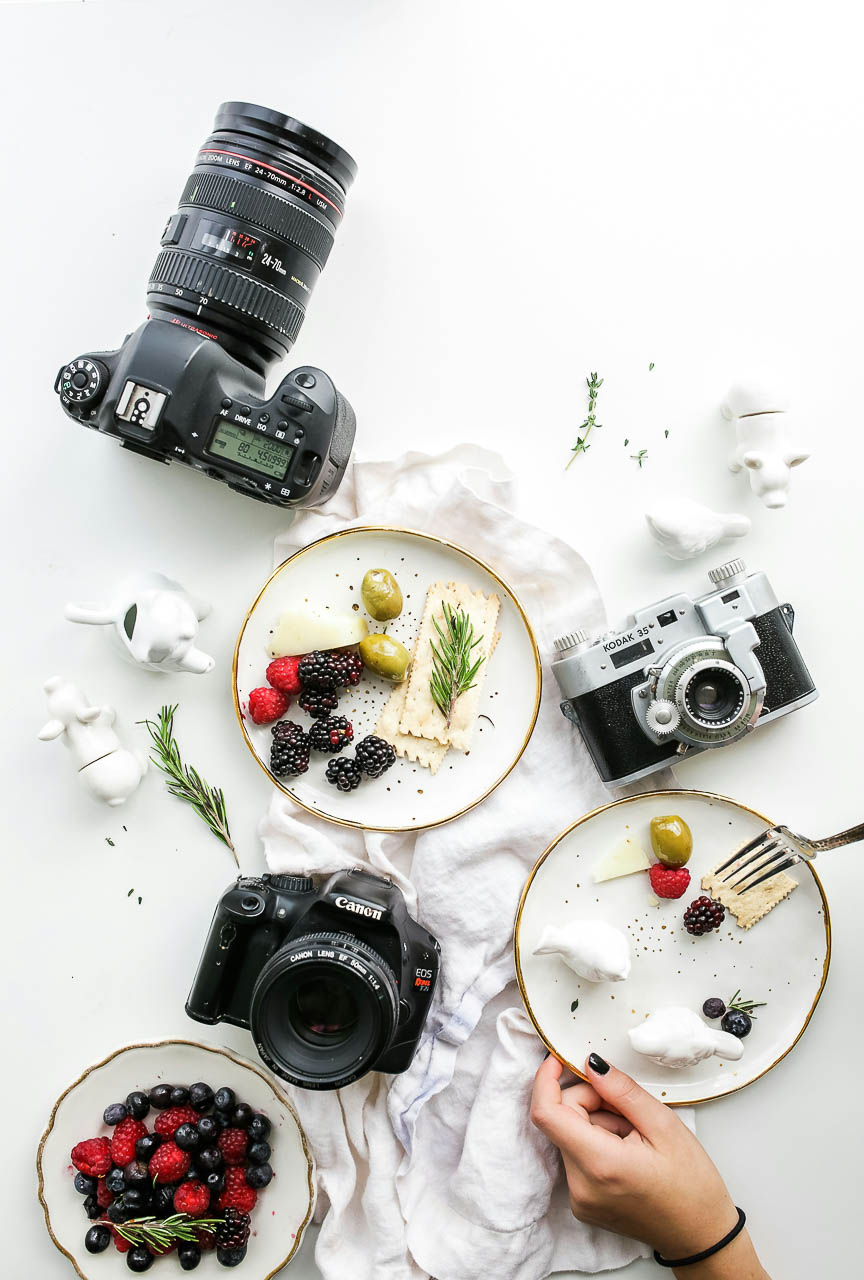
You probably won’t be able to lug around lots of complex lighting equipment with you on your travels, but chances are, you won’t even need it. Natural light often provides the most flattering and true-to-life illumination for your subjects. Whenever possible, position your food near a window or shoot outdoors to utilise the soft, diffused light of the early morning or late afternoon. Just be mindful of the direction and intensity of the light – try using reflectors or diffusers as needed to control shadows and highlights.
6) Frame the food creatively
Creative framing can transform a simple food shot into one that compels the viewer to learn more and dream about consuming the dish themselves. Instead of always centring the dish, experiment with different compositions and angles.
Use the rule of thirds to place the food off-centre, or try shooting from a high angle or close-up to highlight textures and details. Incorporate elements from the environment, such as rustic table settings or vibrant market scenes, to enhance composition. Thinking outside the box and playing with various framing techniques will allow you to add a more artistic touch to your food photographs.
7) Avoid blur
Sharpness is essential in food photography to showcase the details and textures that make the dish appealing. To minimise blur, ensure your camera settings are optimal for the lighting conditions. Use a fast shutter speed to freeze motion, especially if you’re shooting in a bustling environment or capturing action shots.
A tripod can also help to stabilise your camera, particularly in low-light situations. If you’ll be holding your camera in your hand, steadying your arms against your body or using a wall or table for support will give you the best chance of capturing clear images that highlight the beauty of the local food.
Photography has the power to connect people across cultures through the universal languages of food and hospitality. Use these tips to marry your passion for food travel photography, and to create a sumptuous portfolio that encapsulates the most delicious things about your travel adventures.
Share your favourite food travel photography tips in the comment box below.