
Food travel has become one of the fastest-growing areas of global tourism. According to Market Reports World, culinary experiences account for around 42% of all cultural tourism activities. From seeking out Michelin-starred restaurants to discovering family-run cafés and bustling food markets, more travellers are planning entire trips around what they want to eat.
If you’re hoping to build a memorable itinerary centred on great food, a little planning can go a long way. Here’s how to make the most of your next culinary adventure abroad.
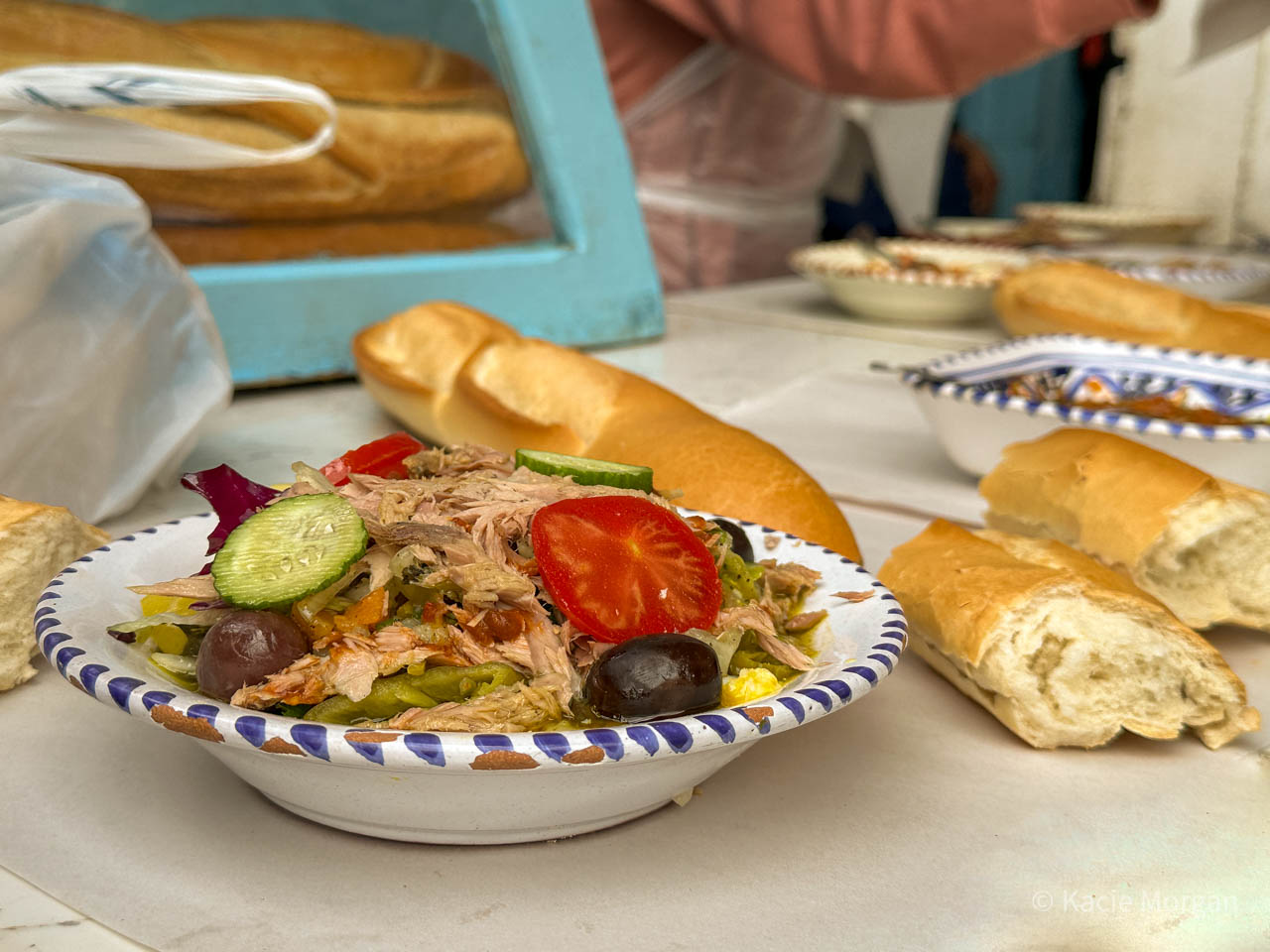
How to prepare for your next food travel adventure
When travelling for food, staying connected is more important than you might think. You’ll likely rely on your phone to research restaurants, navigate unfamiliar neighbourhoods, translate menus and check opening times on the go.
That’s why having reliable mobile data is essential. An eSIM from a provider like Holafly can help you to connected, without needing to swap physical SIM cards. Holafly’s automatic Always On mode provides a 1GB monthly backup connection that activates when your main plan runs out, helping you stay online when you need it most.
I’ve recently enjoyed several trips to Tunisia, and I’ve personally found that setting up the Holafly travel eSIM for Tunisia before I arrive has made it much easier to find the best things to do and the best places to eat locally, access maps, and keep in touch with my friends and family.
How to research the local food scene before arriving at your destination
Whether you plan on scoffing street food in the souks of Sousse, sampling fresh seafood along the coast of Valencia or tucking into classic British fare in London, a memorable food-focused trip often starts long before you board the plane. Taking the time to research your destination’s culinary scene can help you uncover everything from acclaimed restaurants and bustling food markets, to family-run cafés and neighbourhood favourites that might otherwise pass you by.
Established resources like the Michelin Guide can be a useful starting point when researching restaurants, although it’s worth remembering that Michelin doesn’t cover every destination. In places without a Michelin presence, local food blogs, regional restaurant awards and recommendations from local tourism boards can be equally valuable. Don’t overlook social media and online communities either. Platforms like Reddit, TikTok, Threads and Instagram can provide insight into local favourites, emerging dining trends and lesser-known spots that may not appear in traditional guidebooks.
Reading local food blogs can also provide a more authentic perspective on where and what to eat.
Finding authentic local food experiences beyond the tourist trail
If you’re keen to eat like a local, step away from the busiest tourist streets and see where residents are dining. Browsing food markets, chatting to locals and joining a food tour can all lead to memorable discoveries, whether that’s a family-run restaurant, a market stall that’s been serving the same dish for generations or a neighbourhood café that rarely appears in guidebooks.
Being willing to wander a little further can often lead to discovering places you would never have found through a guidebook alone.
How to pace a food travel itinerary without overdoing it
One common mistake food travellers make is trying to squeeze too many dining experiences into a single day. While it may sound tempting, constantly moving from one meal to the next can quickly become exhausting.
Instead, allow plenty of time between meals to explore, walk, relax and enjoy the destination itself. A slower pace often helps to make each dining experience more enjoyable, giving you the opportunity to build up an appetite for the next one.
Capturing and documenting food travel memories worth keeping
Food travel is about more than just what ends up on your plate. The atmosphere, surroundings and people you meet all contribute to the experience.
Photographs are an obvious way to preserve memories, but don’t forget to capture wider shots of the restaurant, market or neighbourhood. Short video clips can also help bring those experiences back to life later.
Keeping a simple travel journal or making notes about standout dishes can be equally rewarding, especially when you’re trying to remember where you enjoyed that unforgettable meal months or even years later.
If you could plan a food-focused trip anywhere in the world, where would you go and what would be the first dish you’d seek out? Let us know in the comments below.