
At first glance, Monaco feels like a place encountered in passing rather than one to settle into. Set along the edge of the French Riviera, it’s often experienced as a brief stop on a wider Mediterranean journey – admired for its harbour views, tightly packed streets and constant sense of movement.
Spend more time here, though, and the rhythm begins to shift. Beyond the yachts and postcard scenes, Monaco functions as a compact, highly organised city where daily life is shaped by walkability, efficiency and an unusually strong sense of safety. For travellers who find themselves returning, or imagining what it might be like to stay longer than a few days, the transition from visitor to resident can feel surprisingly natural.
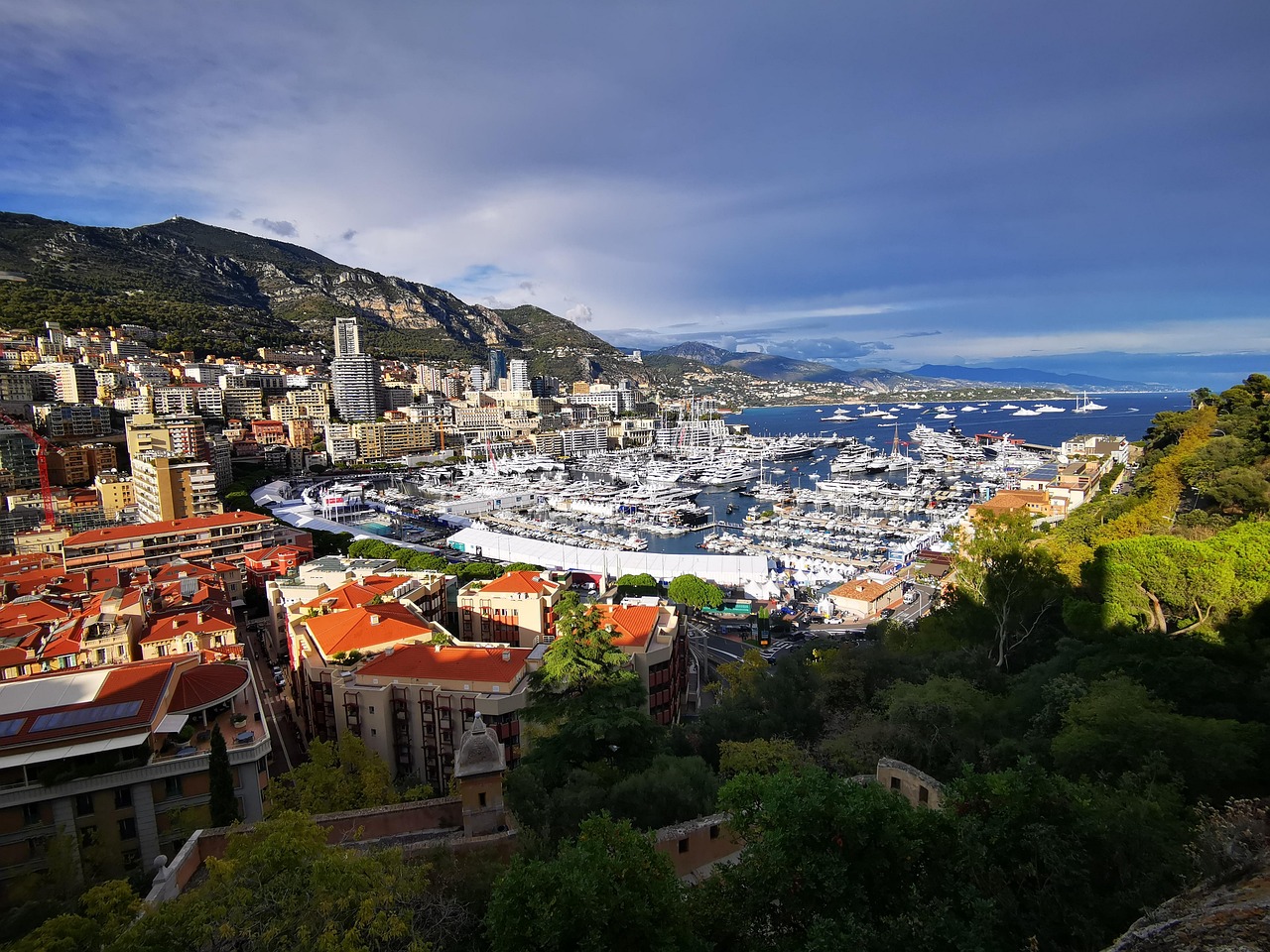
What to expect from daily life in Monaco
Daily life in Monaco moves quickly. The city is compact and efficient, which means most people adapt fast once they understand how things work. Living costs are high, particularly when it comes to rent and food, but this is balanced by exceptional safety, cleanliness and quality of services. Residents often feel comfortable walking at any time of day or night – something that plays a big role in everyday life here.
Public services are reliable and easy to use. Buses run on time and cover the entire city, while many neighbourhoods are close enough to walk between. Public lifts and elevators help residents move easily between different levels of the city. Shops, markets, cultural venues and leisure spaces are well maintained and integrated into daily routines.
The social environment is highly international. People from many countries live and work side by side, creating an open and respectful atmosphere. French is the official language, though English is widely spoken, particularly in professional and social contexts.
For daily needs and planning, some newcomers use https://monaco1.com/. As one of Monaco’s largest classifieds platforms – with thousands of listings covering property, jobs and local services – it can be especially helpful during the first few months of settling in.
Monaco residency requirements
Before relocating, it’s important to understand Monaco’s residency requirements. Residency is available to individuals who can prove accommodation in the Principality and demonstrate sufficient financial means. Buying property is not required, as renting is also accepted.
The application process usually involves preparing documents like a valid passport, proof of address, bank references and a clean criminal record. Applicants typically attend an appointment with local authorities, and careful preparation is essential.
Timelines vary depending on individual circumstances, so early planning is strongly recommended. Securing a rental contract is a key step, as proof of housing is required for residency approval, and demand for Monaco real estate rentals is consistently high.
Finding a home, schools and healthcare
Housing is often one of the biggest considerations when moving. Many newcomers choose to rent initially, allowing time to get to know different districts before making longer-term decisions. Rental options range from studios to larger family apartments, depending on location and budget.
Families moving to Monaco will find strong education options. Public, private and international schools offer multilingual programmes and are well regarded within the expatriate community.
Healthcare standards in Monaco are high. The Principality has a major hospital alongside several private clinics, offering modern facilities and quick access to specialists. Health insurance is mandatory, and most residents arrange cover before or shortly after arrival.
Banking, work and practical relocation planning
Opening a bank account is another important step when relocating. Banks typically request financial documentation, proof of identity and evidence of residency or a pending application. The process is thorough and secure, though it can take some time to complete.
Employment arrangements vary. Some residents work locally, while others manage businesses or roles based abroad. Entrepreneurs can establish companies in Monaco, although government authorisation is required and professional guidance is often helpful.
Once housing is secured, setting up utilities, internet and mobile services is generally straightforward. Services operate efficiently, and customer support is responsive, helping new residents settle in with minimal disruption.
When Monaco becomes home
A smooth move to Monaco depends on careful preparation and a clear understanding of how daily life, legal requirements and practical logistics fit together. When those elements are in place, relocating becomes far less daunting and far more intuitive.
Set against the wider backdrop of the French Riviera, Monaco offers something distinct – the atmosphere of a Riviera destination combined with the structure and efficiency of a tightly run city-state. For many people, that balance of security, stability and international living is what turns an initial stay into something longer term, making Monaco not just a place to visit, but a place to call home.
Already living in Monaco, or thinking about it? What would you tell someone considering the move for the first time?