
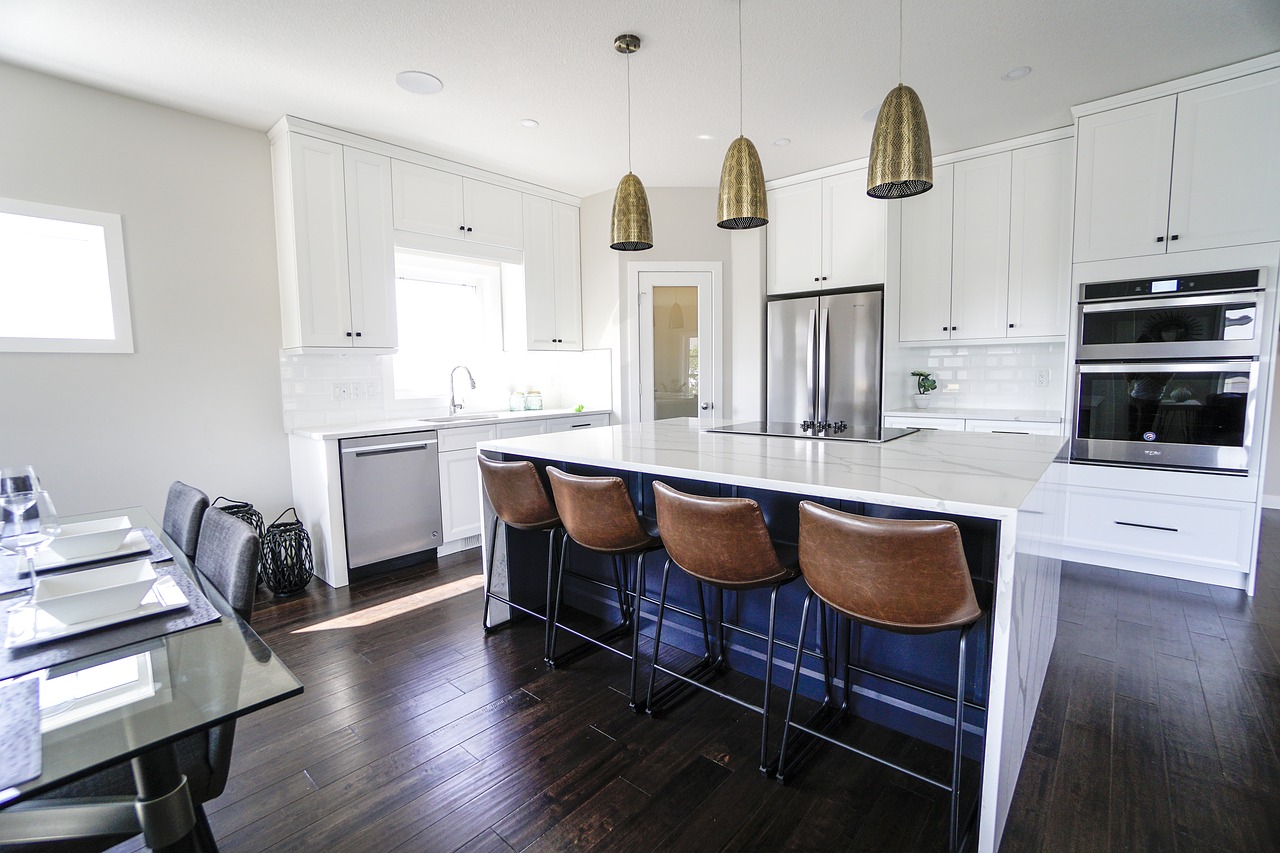
Despite being a relatively new concept in the UK, SPC (Stone Polymer Composite) flooring is already becoming a popular choice for homeowners. A type of vinyl flooring, SPC has a layered design that gives it the look and feel of engineered wood. This makes it an excellent choice for a contemporary kitchen floor that looks more stylish than ordinary tiles or cheap vinyl or lino, yet is still incredibly easy to maintain.
Not sure whether SPC flooring is right for you? Here, Leeds-based retailer Stories Flooring reveals the pros and cons of SPC flooring for you to consider…
What are the pros of SPC flooring for kitchen design?
If you’re in the process of revamping your kitchen, SPC flooring offers a range of impressive benefits which may appeal to you.
Here are just a few highlights.
Highly durable
As they’re constructed with multiple layers, SPC floors are extremely durable. They can used in most high-traffic areas with ease, offering a firm, stable feel underfoot. While durability varies between products, it isn’t uncommon for SPC floors to last for decades.
Waterproofed
A unique benefit of these floors is their waterproofed design; they won’t get damaged even if they’re exposed to spills or moisture, making them a particularly good option for kitchens and bathrooms.
Affordable
Admittedly, SPC floors are more expensive to buy than laminate and Luxury Vinyl Tile (LVT) floors, but they’re still a budget-friendly kitchen option. They provide a similar look and feel to engineered wood flooring, yet they come at a fraction of the price.
Easy to install
You’ll also find that SPC floors are fairly easy to install. Like LVT floors, they’re installed using a ‘click’ system. This is really simple to use, enabling the planks to click together for a quick fit.
Maintaining these floors is relatively easy too, especially given the waterproof surface; just mop the floor clean as and when it is needed to keep it looking like new.
Are there any downsides to SPC floors for kitchens?
So, we’ve covered the benefits of SPC flooring. Now, what about its downfalls? Like all types of flooring, SPC floors do have a few potential downsides that you’ll need to be mindful of.
Level of comfort
Most notably, the main weaknesses of SPC flooring relate to the level of comfort these floors tend to provide (usually, they’re not quite as comfortable as either kinds of flooring) and secondly, they will require a flat subfloor in order to install.
SPC floors have a very sturdy design. This means they can be very firm underfoot, which some may find uncomfortable. There are ways to add comfort to the flooring, though, like putting a rug down, for example.
However, it is worth factoring in the lack of comfort, especially if you’re looking for a floor for a family kitchen.
A flat subfloor is needed
While SPC floors are easy to install, they do require a perfectly flat subfloor. You can’t just install them over any existing subfloor, as this can add time onto the installation process.
Consider how much work you’ll need to do to create a flat and even subfloor. This will give you a good idea of whether or not laying SPC flooring will be a worthwhile option for you.
Hopefully, you’ll now be feeling far more clued up on how to ascertain whether SPC flooring would be a good choice for your kitchen. While there are considerable benefits and downfalls of this kind of flooring, it’s important to consider these different aspects alongside each other in order to make an informed decision.
Have you ever considered laying SPC flooring in your kitchen? Share your thought process with other readers by leaving a comment below.