
We’ve all experienced it. After a long journey, you finally arrive at your hotel, only to discover it doesn’t quite match your expectations. The room is smaller than it looked in the photos, the location is noisier than you’d hoped or, perhaps most frustratingly, your final bill is much higher than the advertised nightly rate once taxes, parking charges and other mandatory fees have been added.
Booking a hotel shouldn’t feel like a gamble. Finding accommodation that offers genuine value isn’t simply about choosing the cheapest room. By taking the time to compare the total cost, research the location, read reviews carefully and choose a booking with the right level of flexibility, you’ll be far more likely to find somewhere that suits both your budget and your travel plans.
As a travel writer,, I’ve refined this approach over many years. Here are the key things I always consider before booking a hotel.

The true cost – look beyond the headline price
The advertised nightly rate is only one part of the overall cost. Taxes, resort or destination fees, parking charges and service costs can all add up surprisingly quickly. Some properties charge an additional £15-£60 per night in mandatory fees that aren’t included in the initial search results, while parking – particularly in city centres – can easily add another £15-£45 per night. Even minibar sensors can sometimes trigger unexpected charges if items are moved or removed.
Always compare the total price rather than focusing solely on the nightly rate. Most booking websites allow you to view a full price breakdown before you book. If they don’t, it’s worth proceeding with caution. A tool like this practical guide on how to book a hotel can help you cut through the noise and compare true total costs across multiple platforms at a glance It’s also a good idea to compare prices on the hotel’s own website, as some third-party booking platforms don’t always display mandatory charges as clearly.
If you’re travelling abroad, it’s worth familiarising yourself with local consumer protection laws before you travel. Knowing your rights in advance can make resolving any issues much easier should something go wrong. Official resources usually offer the most objective, reliable guidance on what to expect. If you’ll be travelling to the US, for example, you may wish to consult US State Department travel resources and USA.gov for clear information about what to expect.
If you’re looking to make your travel budget stretch further, you may also find my guide on how to travel for less helpful.
Think carefully about the location
A hotel that’s described as being half a mile from the city centre might sound ideal, but distance alone doesn’t tell the whole story. Is the route well lit? Does it involve walking up a steep hill? Will you feel comfortable returning there after dark? A short walk on a map doesn’t always translate into a convenient or enjoyable one.
Recent guest reviews can often provide valuable insight into the surrounding area, particularly those written by solo travellers who frequently comment on how safe a neighbourhood feels in the evening. Google Street View is another useful tool for exploring the area before you book, allowing you to check nearby roads, public transport links and local amenities.
If you’re arriving late at night, choosing a hotel with a 24-hour reception can provide extra peace of mind. Solo travellers may also prefer to request a room on a mid-level floor, offering a balance between security, convenience and ease of evacuation in an emergency.
It’s equally important to consider the cost of getting around. A cheaper hotel on the outskirts of a city may initially seem like a bargain, but if you’re spending significant amounts on public transport or taxis each day, those savings can quickly disappear. In many cases, a hotel slightly outside the main tourist area but with excellent transport links offers the best balance between cost and convenience.
If you’re still planning your itinerary, my guide on how to plan your travels can help you organise your trip more effectively. Once your plans are in place, don’t forget to check out my guide on how to prepare for your next big trip before you set off.
Look beyond the photographs
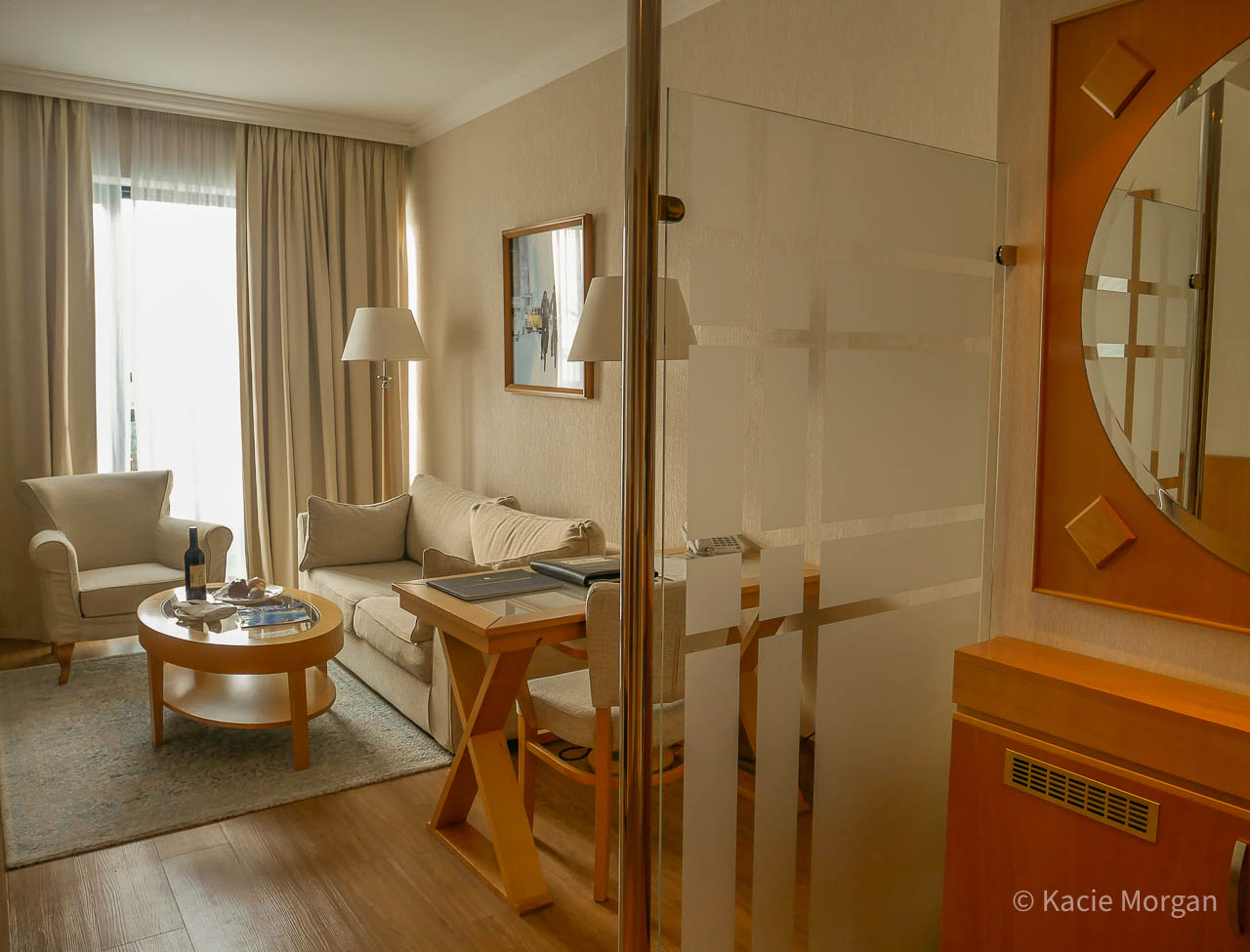
Professional photographs are designed to showcase a hotel at its very best. Wide-angle lenses, careful lighting and clever staging can make even modest rooms appear spacious and luxurious.
That’s why it’s important to look beyond the official images. User-uploaded photos often provide a far more realistic impression of room size, décor, cleanliness and the overall condition of the property. Pay particular attention to pictures of the bedroom and bathroom, as these usually reveal details that promotional photographs don’t.
Reviews are just as valuable. Rather than focusing solely on overall ratings, search reviews for recurring themes. If several guests mention noise, uncomfortable beds, poor cleanliness or unreliable air conditioning, it’s worth taking notice. Likewise, look at how hotel management responds to criticism. A professional, constructive response often suggests a hotel that genuinely values guest feedback.
I also find it more useful to read balanced three and four-star reviews than glowing five-star praise or one-star complaints. They often provide the most realistic picture of what you can expect. If you’re unsure about what distinguishes a mediocre hotel room from a genuinely luxurious one, read my guide on hotel features that make a stay feel luxurious.
When to save and when to splurge
A budget hotel can be an excellent choice, particularly if you plan to spend most of your time exploring your destination rather than relaxing at the hotel itself. As long as it’s clean, comfortable and in a convenient location, there’s often little point paying for facilities you’re unlikely to use.
That said, the cheapest option isn’t always the best value. A low room rate can quickly lose its appeal if it’s offset by expensive parking, compulsory resort fees or consistently poor reviews. Likewise, a hotel that’s a long way from the attractions you want to visit may end up costing more in transport than you save on accommodation.
On the other hand, there are occasions when paying a little extra is worthwhile. Whether you’re celebrating a special occasion, staying in a once-in-a-lifetime destination or booking a hotel that’s part of the experience, a modest upgrade can make your trip even more memorable.
Timing can also make a significant difference to the price you pay. For popular destinations, booking one to three months in advance often secures the best choice and value. If you’re visiting a city with plenty of hotels, however, last-minute deals can sometimes offer excellent savings. Midweek stays are typically cheaper than weekends, while travelling during the shoulder seasons – spring and autumn – often means lower prices, fewer crowds and more pleasant weather. If you’re travelling during school holidays or peak summer, it’s usually worth booking several months ahead.
Why flexibility matters
If there’s one thing I rarely compromise on, it’s booking a flexible rate.
Paying a little more for free cancellation can prove worthwhile if your plans change unexpectedly. Flights can be delayed or cancelled, illness can strike and itineraries can change at short notice. Spending an extra £10 or £20 on a flexible booking can be far cheaper than losing the full cost of a non-refundable reservation.
Before confirming your booking, read the cancellation policy carefully. Check when free cancellation ends, whether the deadline is based on the hotel’s local time zone and what charges apply if you need to cancel later. It’s also worth confirming whether any amendments or cancellations need to be made through the booking platform or directly with the hotel, as this can affect how quickly refunds are processed.
If your plans are disrupted despite careful planning, my guide on what to do if your travel plans get cancelled explains the options available and the steps you should take. You may find it helpful to read up on the relevant WHO travel health advice for your chosen destination as well. https://www.who.int/health-topics/travel-and-health.
Hotel booking checklist
Before confirming your reservation, take a few minutes to run through this checklist.
| Check | Why it matters | How to check |
|---|---|---|
| Total cost | Helps avoid unexpected charges for parking, taxes or mandatory fees | Compare the full price breakdown and check the hotel’s own website |
| Location | Ensures the hotel is convenient, well connected and suitable for your plans | Read recent reviews, use Street View and check nearby transport links |
| Guest reviews | Highlights recurring issues such as noise, cleanliness or poor maintenance | Read several recent three and four-star reviews and look for common themes |
| Cancellation policy | Gives you flexibility if your plans change | Check the cancellation deadline and any fees that apply |
| Refundable or non-refundable rate | Helps you decide whether the saving is worth the risk | Compare the price difference before booking |
Frequently asked questions
Can you avoid paying resort fees?
Mandatory resort or destination fees aren’t always easy to avoid, but you should always factor them into the total cost when comparing hotels. Booking directly with the hotel can sometimes provide access to exclusive offers or loyalty benefits, while certain travel credit cards may offer perks that help offset additional charges. Whatever booking method you choose, always check exactly what’s included before confirming your reservation.
Is it better to book directly with a hotel?
It depends. Booking directly can offer benefits such as loyalty points, complimentary upgrades or more flexible cancellation policies. Third-party booking sites, however, may occasionally offer lower prices or package deals. The best approach is to compare the total cost, read the booking conditions carefully and choose the option that offers the best overall value rather than simply the lowest headline price.
What’s the best way to find last-minute hotel deals?
If you’re booking at short notice, start by checking the hotel’s own website before comparing prices on reputable booking platforms. It can also be worth contacting the hotel directly, as some properties are willing to offer discounted rates on unsold rooms. Remaining flexible with your location, travel dates or room type can also help you secure better deals.
For destination-specific tips, online travel forums and recent traveller reviews can provide useful insights into current prices and booking experiences, but always verify important information using official sources where possible.
Make every hotel booking count
Choosing the right hotel is about much more than finding the cheapest nightly rate. By looking beyond the headline price, researching the location carefully, reading reviews critically and choosing a booking with suitable flexibility, you’ll be far more likely to enjoy a stay that offers genuine value for money.
A little extra research before you book can save you money, reduce unnecessary stress and help ensure your accommodation enhances your trip rather than detracting from it.
What’s your number one tip for booking a great hotel? Whether it’s finding the best deals, avoiding hidden costs or spotting red flags in reviews, share your advice in the comments below.