
Travel photography is rarely calm. Photos are taken while walking, laughing, boarding trains or weaving through crowds, often in light that changes faster than a camera can react. Movement creeps in, shutters lag, and moments that felt vivid at the time return slightly blurred.
Sometimes that softness becomes part of the memory. Other times, it simply hides what you were trying to capture. The feeling is still there, but the detail is missing.
That’s where a contemporary photo enhancer can be unexpectedly useful. I came across Dreamina while trying to rescue a handful of travel photos I’d almost written off. What stood out was how restrained the results felt. Rather than forcing sharpness, it focused on restoring clarity without stripping away atmosphere.
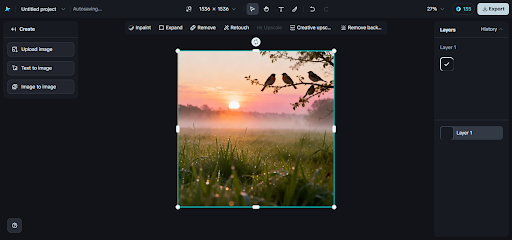
Why motion blur shows up so often in travel photos
Blur isn’t always about poor technique. More often, it’s the result of real-world conditions colliding with limited time to adjust settings. Low light slows shutter speeds, crowds force quick reactions, and vehicles rarely stop long enough for a perfectly steady shot.
Motion blur tends to happen when:
- you’re moving while shooting
- your subject is also in motion
- light conditions are unpredictable
In that sense, blur is often a by-product of exploration rather than a mistake.
Deciding which blurred photos are worth saving
Not every blurred image needs fixing. Some lose their impact once detail disappears, while others still carry emotion, structure or a sense of place beneath the softness. When deciding which photos are worth revisiting, it helps to think beyond whether they’re simply sharp enough.
Images that still suggest movement, personality or atmosphere often work best. Familiar faces softened by motion, street scenes where shapes remain recognisable, or cityscapes where energy matters more than precision can all respond well to careful enhancement. These are also the kinds of images that, once restored, lend themselves to being shared more creatively – whether that’s revisiting them in a photo series, printing them, or using them to generate posters that turn fleeting travel moments into bold visual keepsakes rather than forgotten files.
Step 1: start with the best version you have
Begin by uploading the highest-quality version of the photo available. Motion blur caused by movement, low light or slight camera shake is usually recoverable, especially when the original file still contains texture and edge information.
Starting with the cleanest file possible gives the AI more to work with, helping it distinguish between intentional softness and detail that can be restored.

Step 2: allow the image to rebuild itself
Rather than manually adjusting dozens of controls, the enhancement process focuses on interpreting edges and textures naturally. Subtle sharpening and upscaling can be combined to bring clarity back without introducing harsh outlines or artificial detail.
What works well here is restraint. The image doesn’t suddenly look “fixed” — it simply looks closer to how the moment felt when it was captured.
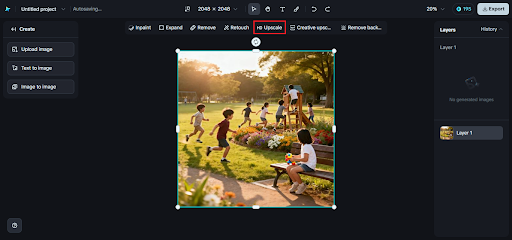
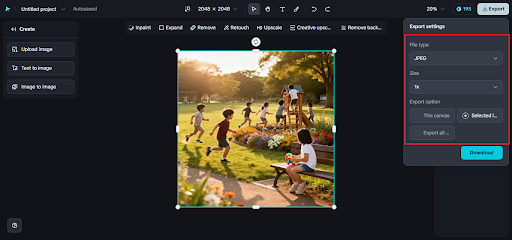
Step 3: export the memory, not the mistake
Once the enhancement is complete, the image can be exported in your preferred format and resolution. At this point, the photo is ready to be shared, printed or archived, now free from distracting blur but still true to the original scene.
The result feels less like a correction and more like a recovered memory.
Keeping editing approachable
One reason many travellers avoid editing tools altogether is the learning curve. Layers, curves and endless sliders can feel at odds with the spontaneity of travel photography.
This approach keeps things simple. The emphasis is on intention rather than technical control, allowing you to focus on whether the photo feels right rather than how many settings you’ve adjusted. Additional tweaks like colour or exposure can be handled elsewhere if needed, but clarity restoration stands on its own.
Preserving mood as well as detail
A common risk with enhancement tools is losing atmosphere. Over-sharpening flattens shadows, removes softness and strips images of character.
Used carefully, AI enhancement can avoid that. Focus is brought back where it matters, while movement and softness remain where they add to the story. The finished image reflects the experience of the moment rather than a digitally forced transformation.
Travel photography is about movement as much as stillness. Blur often signals spontaneity, speed or imperfection. Rather than discarding those images, careful enhancement makes it possible to revisit them with a lighter touch — restoring clarity without erasing the feeling that made the moment worth capturing in the first place.
Have you ever rescued a travel photo you nearly deleted? Or do you tend to keep blurred images because they still capture the feeling of the moment? Share your thoughts below.