
This is a sponsored post.
No matter how many postcard-perfect landscapes and jaw-dropping sights we might encounter on our travels, often, it’s the people who we meet along the way that we remember the most. Travelling to unfamiliar new destination and immersing ourselves in distinct cultures provides the ideal opportunity to interact with those who may share different beliefs, values and lifestyles to ourselves. Often, we might be tempted to capture these priceless interactions on camera.
Photographing strangers is worlds apart from snapping shots of scenic surroundings, documenting your dinner, or even idolising yourself in Instagrammable shots at iconic landmarks, however. From asking for permission to take a photo; to helping your subject feel relaxed and photo-ready, there’s a lot to get right if you want to take decent photos of local people while travelling.
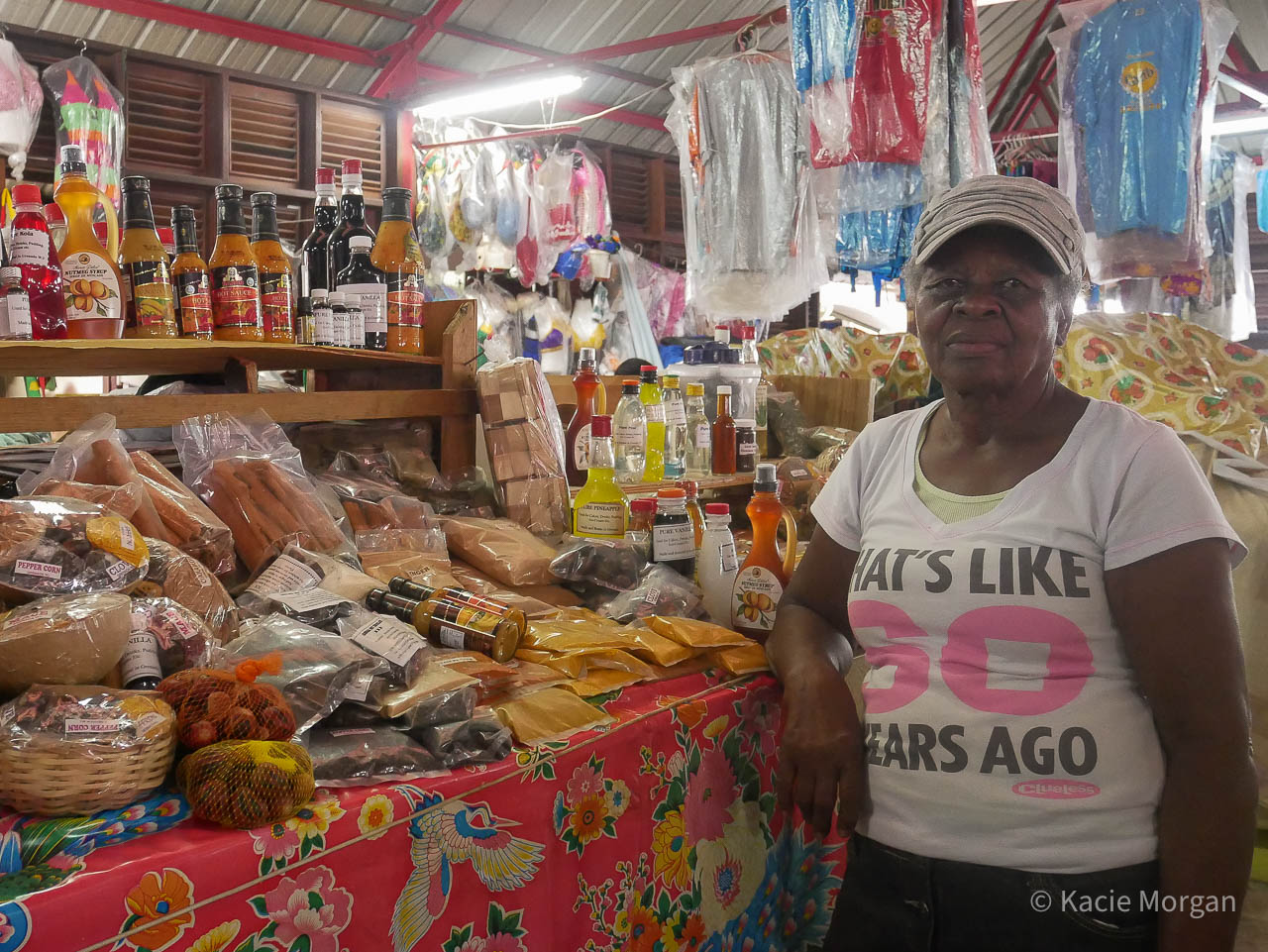
So, what should you know if you want to capture great photos of the locals whenever you visit a new destination?
7 tips on how to photograph locals while travelling
Ask permission
When it comes to taking portrait photos of other people while travelling – or in any other situation, for that matter – my golden rule is to ask permission first.
In some cultures (such as in parts of Japan, for example) taking photos of others can be considered rude or insensitive. Understandably, many people simply just don’t enjoy having a camera pointed in their face by a tourist, while others are just too camera-shy, or not keen on having their photo taken.
However, I often find that, if you ask permission, people appreciate you taking the time to ask, and are almost always happy to oblige. Depending on where you’re visiting, however, be prepared for some people to ask you for a tip in exchange.
Learn more about the culture
If you travel internationally, you should always dig a little deeper into the culture of the country you’re visiting before you arrive. The national holidays, customs, and everyday life may differ greatly to what you’re used to back home, and you should read up on this to avoid cultural shock or, worse, cultural ignorance. By taking some time to understand the etiquette and mindset of the locals, you’ll be able to avoid any misunderstandings, and show respect to those whom you’re trying to photograph.
It also helps if you can learn a few basic words and phrases to talk to the local people in their native language. Better communication, better photos.
Interact with the locals
Many travellers tend to take photos in an observational or documentary style, without any real focus or interaction with the people. However, this can make it difficult to capture faces – let alone facial expressions – and you may have little control over the elements of the scene, too.
If you talk to a person instead, you’ll have better chances to build communication and hear their story. With this kind of interaction, you can go on to take better photos of local people, as they’re more likely to relax around you after a little chat. Plus, you might be able to find a better setting, angle, pose, and portrait style for each person, simply by taking the time to find out a little more about their life and character traits.
Capture emotions
Emotions are the real secret to taking a great portrait photo. Aim to capture a range of expressions and emotion – sadness, happiness, rage, etc – with a little sensitivity, of course! Try not to encourage your models to smile broadly, as this doesn’t always come across as natural.
When taking photos of people you don’t know, shyness or a lack of confidence can be an issue for some people. However, if they are still happy for you to take their photo, asking them to look away from the camera, or just capturing them while they’re busy with some activity or work, could help to make them feel less pressured.

Follow the rule of thirds
The composition of a picture is a powerful tool that can either ruin your photo or turn it into a masterpiece. In photography – and travel photography especially – the Rule of Thirds is one of the most popular types of composition. It effectively splits your scene into nine squares, with the most interesting elements positioned around the intersections.
It’s a useful principle to keep in mind whether you’re shooting photos to share online or selecting your favourites to display at home. If you’re planning to turn your travel photography into prints, canvases or wall art, services like Photo Zone can help bring those shots off your camera roll and into your home.
In portrait photography, however, it’s also a good idea to make the most of negative space. When positioning your model, consider the direction of their body and eyes. Ideally, the person you’re photographing should have space to look into.
Consider the background of the pictures
The person is the main object of a portrait photo, but pay attention to what’s going on behind them too. The background of your photo shouldn’t be too distracting, or too dull. Aim to find a suitable background before capturing your photo or, if this isn’t possible, try blurring the background by adjusting your camera settings (iPhone’s portrait mode does a great job of this). Similarly, you can also use AI photo editors to edit your travel shots – they can be particularly useful for tackling motion blur in travel photography.
Polish photos in post-production
Once you’ve captured the perfect photos of local people while travelling, once you arrive back home, don’t forget to add the finishing touch. Spend some time editing and enhancing your photos with the help of a free portrait editor. With post-processing, you can get the most out of your portrait shots with the ability to balance skin tones, remove or emphasise imperfections, replace the background, and improve the overall quality of the picture by cropping it or by adjusting settings like brightness, contrast, and sharpness.
Photo editors can also help you to stylise all your pictures in one way (with the ability to create user presets and filters, for example), which can be useful if you’ll be sharing the photos on social media.
So, the next time you travel, try putting these tips into practice, and let me know if you manage to take better photos of the locals! And, if you found this post useful, don’t miss my previous post on how to take better food photos. Can you share any other tips on how to take better photos of locals while travelling? Leave a comment below.
This is a sponsored post.