
There’s something quietly magical about a well-matched tea set. In Wales, tea is often about more than simply making a drink – it’s a chance to slow down. Whether you’re enjoying a slice of homemade bara brith with salted Welsh butter, catching up with friends over a pot of Welsh breakfast tea, or simply taking a few minutes for yourself after a long day, the right tea set helps turn an everyday cuppa into a small ritual.
This guide will help you choose a tea set that balances practicality, flavour and style, so you can enjoy every brew to the fullest.
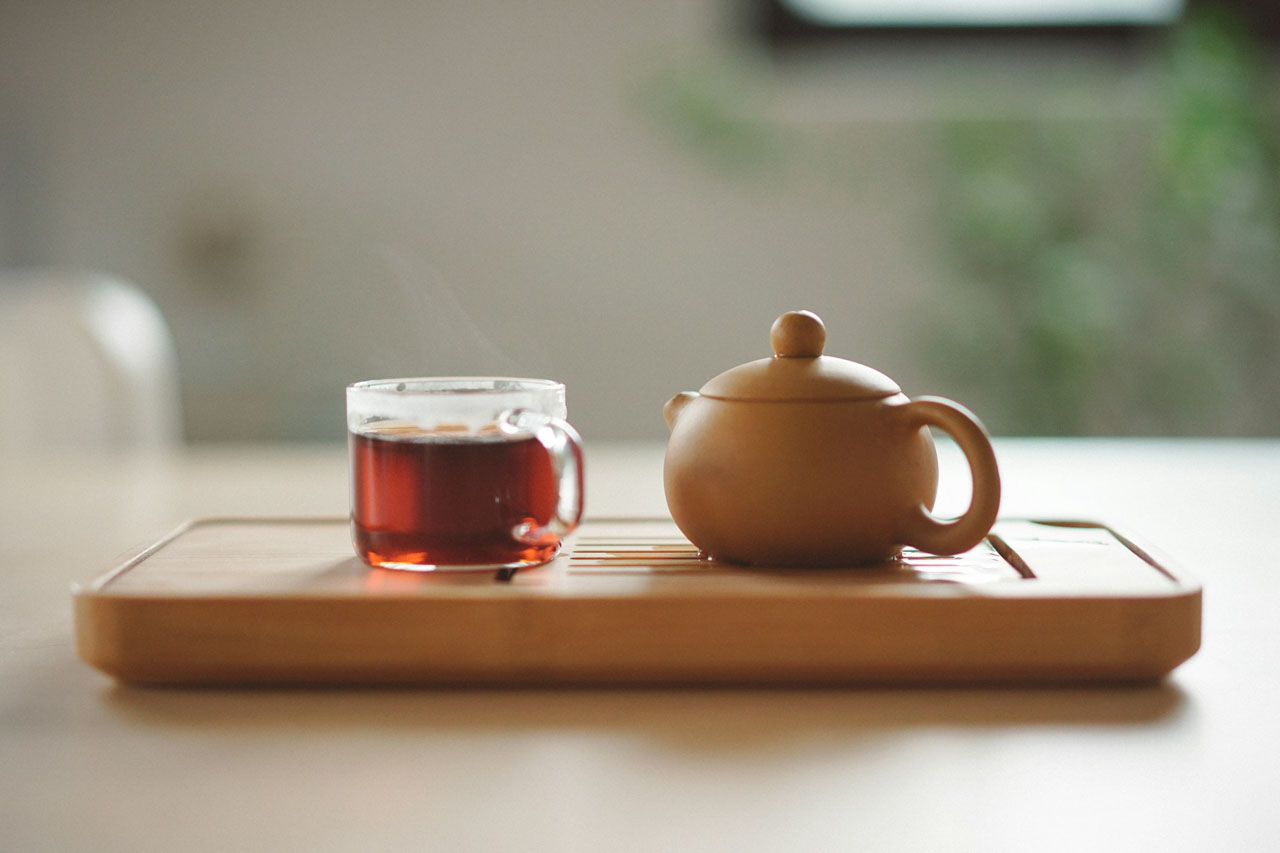
Match your teapot material to your tea
The same tea leaves can taste remarkably different depending on the kind of teapot they’re brewed in. The material affects heat retention, porosity and whether flavours remain pure or gradually deepen over time.
Porcelain or bone china
Best for: Green tea, white tea, lightly oxidised oolong and first flush Darjeeling
Why:
Fired at very high temperatures, porcelain and bone china are fully vitrified and non-porous, meaning they won’t absorb oils or tannins. Delicate floral, vegetal and sweet notes come through clearly with every brew, while the thinner walls lose heat more quickly than clay, helping protect tender leaves from becoming over-steeped. If you want to experience a Silver Needle white tea or a delicate spring green tea exactly as intended, porcelain and bone china are ideal.
Glass
Best for: Herbal infusions, fruit blends, blooming teas and visually striking green teas
Why:
Glass is chemically inert, so it won’t affect flavour. Its biggest appeal is the theatre of brewing – watching hibiscus colour the water, jasmine pearls slowly unfurl or blooming teas open into intricate flowers makes preparing tea just as enjoyable as drinking it. As glass cools relatively quickly, it’s also a forgiving choice for more delicate green teas.
Clay (Yixing, purple clay) or unglazed stoneware
Best for: Oolong, pu-erh, roasted teas and some black teas
Why:
Unglazed clay has a unique micro-porous structure that slowly absorbs the tea’s essential oils, gradually seasoning the pot and subtly enhancing future brews. It also retains heat exceptionally well, helping to soften astringency and bring out the depth and complexity of teas such as Wuyi oolong or earthy pu-erh. For the best results, dedicate each clay teapot to a single tea type.
Cast iron (tetsubin-style)
Best for: Robust black teas, dark roasted oolongs and teas that benefit from high brewing temperatures
Why:
Cast iron is excellent at retaining heat, keeping your tea warmer for longer. While most modern tetsubin-style teapots are enamel-lined and won’t season like clay, they still provide consistent heat that helps bring out the rich maltiness of Assam or the roasted character of hojicha. Their substantial weight also adds a satisfying sense of tradition to the tea-making ritual.
Thick ceramic
Best for: Everyday black teas, Welsh breakfast tea and comforting everyday brews
Why:
Thick ceramic provides steady heat retention without affecting flavour. It’s a sturdy, dependable choice that keeps your tea warm while you relax over another slice of bara brith.
Size and shape matter more than you think
A teapot that’s too large can leave green or white teas sitting for too long, causing them to become bitter and lose their freshness. Smaller teapots encourage shorter, fresher brews, allowing you to enjoy multiple infusions and appreciate how the flavour develops with each steep.
The shape of your cup also influences how you experience tea. Tall, narrow cups concentrate aromas towards your nose, making them ideal for fragrant black teas and floral oolongs. Wider, shallower cups allow tea to cool more quickly, helping preserve the delicate high notes of green tea. Cup size affects the pace of drinking too – smaller cups encourage slow, mindful sipping, while a generous mug lends itself to comfort and relaxation.
Think about how you usually drink tea. A compact teapot with one or two cups is perfect for quiet mornings or solo afternoons. Larger sets create an inviting centrepiece for entertaining, while travel tea sets make it possible to enjoy loose-leaf tea almost anywhere.
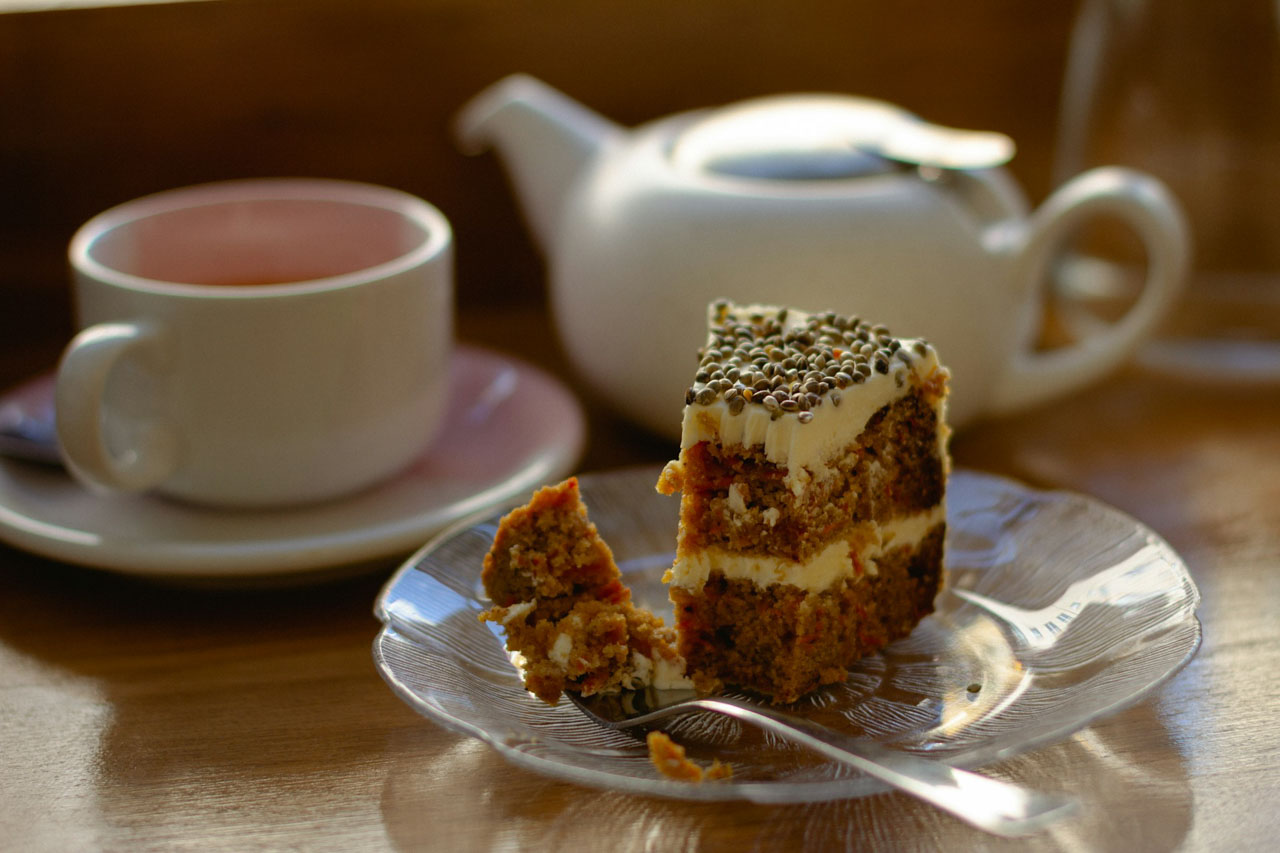
Tea and food: perfect pairings
Pairing tea with food isn’t simply about serving two things together – the right combination can enhance both.
Green tea with fresh fruit, light pastries, rice dishes or seafood
Why it works:
Green tea’s fresh aroma and gentle astringency naturally refresh the palate, making it an excellent match for delicate foods like melon, mochi, citrus salads and seafood. It also balances richer flavours by cutting through any lingering oiliness, keeping each bite light and fresh.
Black tea with buttered toast, scones, Welsh cakes, dark chocolate or a full Welsh breakfast
Why it works:
Fully oxidised black tea contains tannins that bind with fats and proteins, softening the tea’s briskness while cutting through rich foods. That’s why a slice of buttered bara brith, warm Welsh cakes or a hearty Welsh breakfast pairs so well with a robust breakfast tea. The butter subtly enhances the tea’s natural sweetness, while the tea refreshes the palate between bites.
A warm ceramic or cast iron teapot will also help to keep your tea at the perfect temperature from the first cup to the last.
Oolong with roasted nuts, cheese, dim sum or gently spiced dishes
Why it works:
Oolong is wonderfully versatile, ranging from light and floral to rich, toasted and mineral. A delicate Tieguanyin pairs beautifully with steamed dumplings and mild cheeses, while a darker Wuyi rock oolong has enough depth to complement roasted nuts, grilled meats and gently spiced dishes. Because oolong changes character across several infusions, a small clay teapot is ideal for getting the most from each brew.
Herbal and fruit teas with shortbread, lemon cake or after dinner
Why they work:
Naturally caffeine-free and aromatic, herbal and fruit teas are perfect after a meal or as an evening treat. Peppermint provides a refreshing finish to rich food and chamomile encourages relaxation, while berry and hibiscus infusions pair beautifully with buttery shortbread or a slice of lemon cake. Using a glass teapot will enable you to enjoy their vibrant colours as they brew.
Design that enhances, not distracts
The simplest designs are often the most timeless.
Soft neutral glazes suit almost any table setting, while allowing the colour of the tea to take centre stage. Traditional blue-and-white patterns bring a sense of familiarity that’s perfect for afternoon tea, while earthy tones and rich reds create warmth during autumn and winter gatherings. Handmade wabi-sabi ceramics, with their uneven glazes and natural imperfections, create a wonderfully calming atmosphere that encourages you to slow down and savour the moment.
Good design shouldn’t distract from the tea – it should quietly enhance the experience.
Practical details that make daily use a joy
A beautiful tea set isn’t much use if it’s awkward to pour, or uncomfortable to hold. Before choosing a new tea set, ask yourself the following questions;
- Is the handle comfortable and well balanced?
- Does the teapot pour cleanly without dripping?
- Are the cups comfortable to hold and pleasant to drink from?
- Is the set easy to clean, especially if you brew loose-leaf tea?
- Will it fit where you plan to store it, and will you use it regularly?
If you regularly brew loose-leaf tea, a removable infuser or separate tea strainer will make everyday use much easier. If you’re buying a tea set as a gift, elegant simplicity is often a safer choice than something highly decorative.
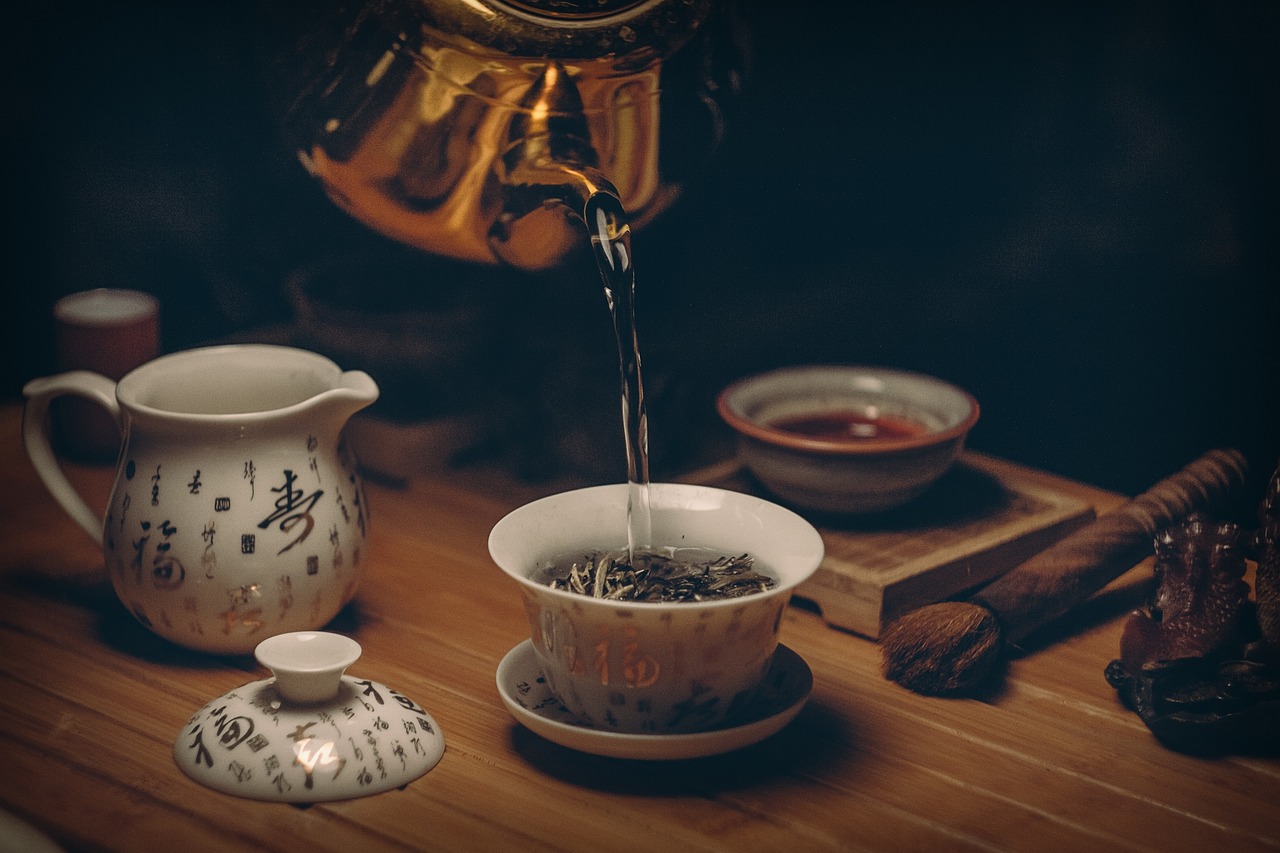
Embrace the ritual
Part of the pleasure of tea lies in the ritual itself – filling the kettle, measuring the leaves, pouring, waiting, then finally taking that first sip. A thoughtfully chosen tea set gives shape to those everyday moments. It can make a quiet morning feel more peaceful, turn a catch-up with friends into an occasion, or simply encourage you to pause for a few minutes in a busy day.
That’s why choosing a tea set is such a personal decision. The right one won’t simply brew great tea – it’ll become part of the moments you return to time and time again.
Where to find your perfect set
Once you’ve discovered how material, shape and size influence your tea, the next step is finding a set that suits both your style and the way you like to brew. I’ve personally used tea sets from Umi Tea Sets and have been impressed by both their quality and craftsmanship. Their collection includes porcelain, clay, glass and cast iron tea sets in styles ranging from timeless blue-and-white designs to contemporary minimalist pieces and handcrafted wabi-sabi ceramics.
Whether you’re buying your first loose-leaf tea set or adding to an existing collection, there’s plenty to choose from. With worldwide delivery and knowledgeable customer support, Umi Tea Sets makes it easy to find a tea set you’ll enjoy using for years to come.
What’s your favourite type of tea to enjoy at home, and do you have a favourite teapot or tea set? Share your recommendations in the comments below – I’d love to hear what makes your perfect brew.